 Niyati
When people talk about the meaning of marine insurance , it’s often reduced to a technical definition: coverage for goods in transit. But for D2C brands, it’s much more practical than that. It’s what stands between a successful global delivery and a costly shipment loss that never reaches the customer.
Once D2C brands start shipping beyond India, logistics becomes very visible to customers. It is no longer just an internal process. A late delivery or a damaged order can immediately affect how people see the brand. Marine insurance helps businesses manage those situations when shipping does not go as planned.
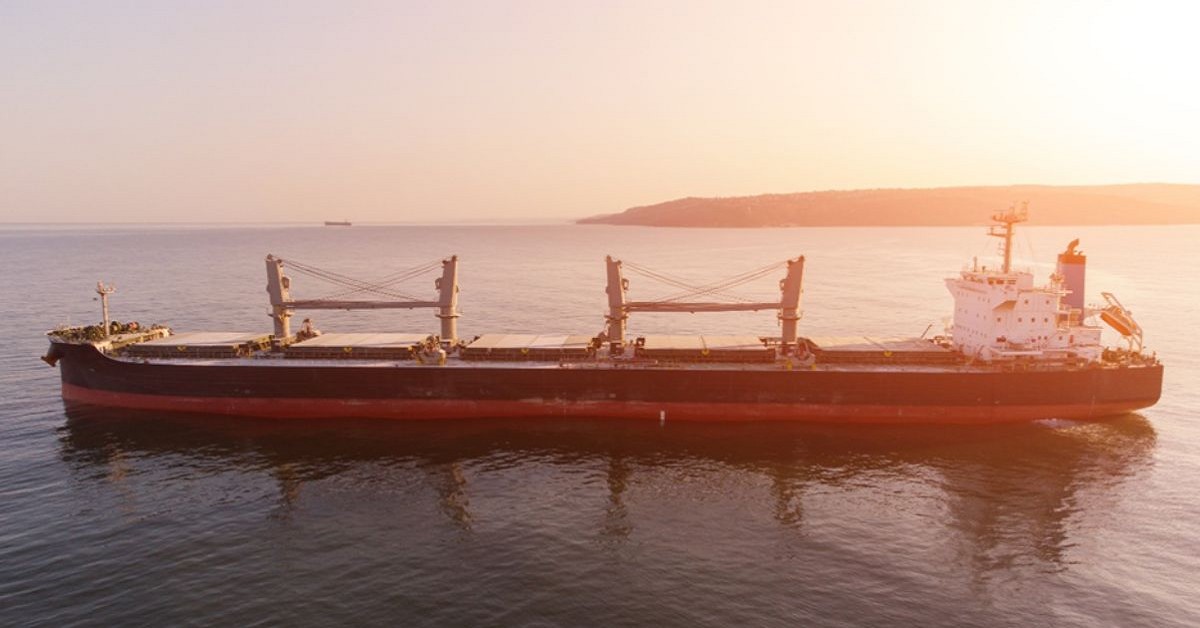
Freight Cargo Insurance in Global Shipping Operations
Most D2C brands rely on freight cargo insurance when goods are moving across multiple checkpoints, carriers and countries. And in real-world shipping, things rarely move in a straight line.
Packages get shifted, stacked, scanned, unloaded, reloaded and sometimes mishandled along the way. Even with the best logistics partners, risk does not disappear. It just gets distributed.
This type of insurance ensures that if goods are damaged, lost or stolen during transit, the financial hit does not fall entirely on the business. For a D2C brand operating on tight margins and high customer expectations, that safety net can make a noticeable difference.
Global Expansion Challenges for D2C Brands
Selling within one country is relatively straightforward. Global shipping is far more unpredictable.
A shipment can get stuck at customs because of missing paperwork. Weather conditions may force route changes. Different countries follow different import procedures, which adds more delays to the process. On top of that, packages pass through several handlers before reaching the customer.
For D2C brands, even small disruptions during transit can lead to complaints, refund requests and disappointed customers.
What Marine Insurance Covers
Marine insurance is not limited to ocean transport, despite the name. It typically covers goods moved by air, road and sea.
What it actually protects against is fairly straightforward:
- Damage during transit
- Theft or missing cargo
- Loading and unloading accidents
- Packaging failure during movement
- Unexpected logistical disruptions
For brands shipping fragile, premium, or high-demand products, this becomes especially important. One incident can wipe out the profit from multiple orders.
Why D2C Brands Need Marine Insurance
D2C brands don’t have layers of distributors absorbing problems. The customer is directly at the end of the chain.
So when something goes wrong in shipping, the brand feels it immediately: refunds, complaints, negative reviews and sometimes even lost repeat customers.
Most brands also depend heavily on external logistics partners, which means they don’t control every step of the journey. Marine insurance helps balance that lack of control by reducing financial exposure when things don’t go as planned.
Strategic Benefits for Scaling Globally
The real value of marine insurance shows up when a brand starts scaling. Instead of worrying about “what if a shipment gets lost in another country,” businesses can focus on expansion, marketing and product development. It also makes entering new markets less risky because losses are not fully absorbed by the company.
Safeguard Your D2C Business with TATA AIG Marine Insurance
Understanding the marine insurance meaning in practical business terms is important for any D2C brand planning global growth. It’s not just about protecting goods. It is about protecting customer trust and business continuity.
With comprehensive coverage from TATA AIG, D2C brands can handle global shipping risks with far more confidence. Their marine insurance solutions are designed to support growing businesses that need reliable protection across every stage of transit.











 CAclubindia
