 Ayush
Ayush
Escrow accounts services grant buyer protection, seller assurances, and fraud reduction, which helps build trust in digital transactions.
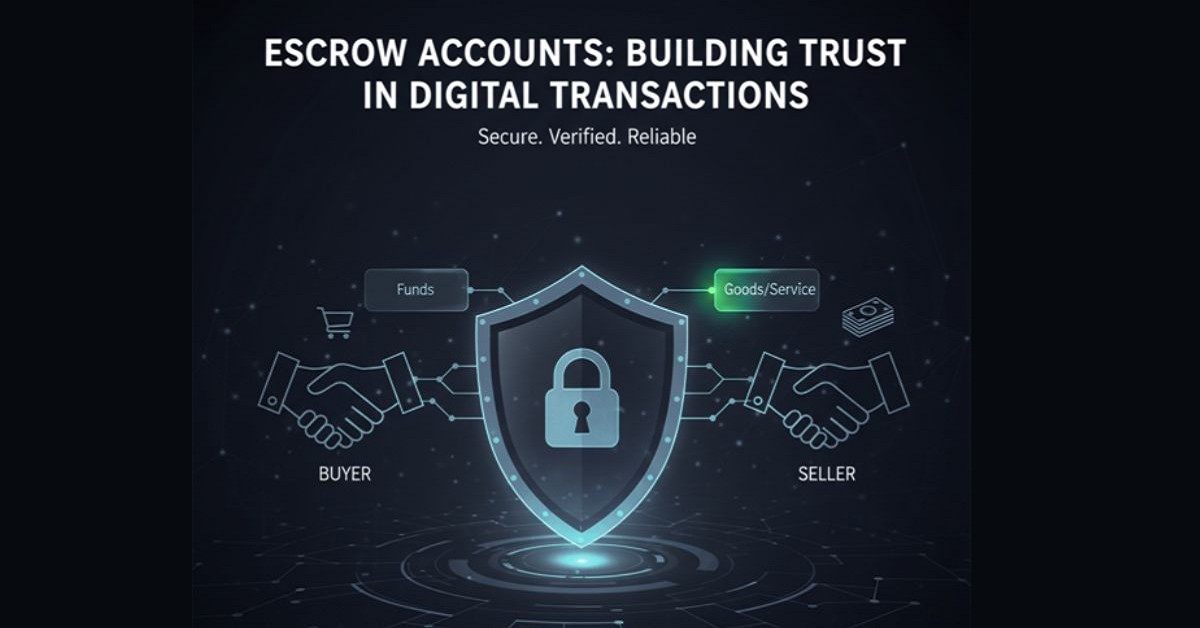
An escrow account, a separate account than the buyer's and seller's, is used to transfer payments from one party to another,but without the funds transferred directly. The funds are routed through the escrow account to ensure the seller gets paid for their service or product.
For buyers who are comfortable using an escrow account, it builds their credibility. In India, the Reserve Bank of India has provided specific guidelines to use escrow accounts to boost safety in online sales.
Let's find out in detail how an escrow account can help build trust.
What is the meaning of an Escrow Account and How Does it Work?
Escrow is a financial instrument and today it is used in almost every industry where a neutral entity holds money (fiat or crypto) during a transaction. The money held in the escrow account protects the buyer and seller from fraud.
Let's say, a customer is buying a rare painting from a seller sitting overseas and everything is happening online. In this scenario, the buyer will transfer the said funds to an escrow account. The funds will be released from the escrow account to the seller only after the buyer confirms the receipt of the item in the promised condition.
Benefits of Using Escrow Accounts in Digital Transactions
In digital transactions, where trust is a precious commodity, the escrow account services act as a safeguard for all the parties involved.
- Fraud Protection: As the funds are kept in a separate account, which does not belong to the buyer or seller, it protects each party from any kind of payment related or product related fraud. Also, it safeguards both the parties from any kind of future issues.
- Conditional Fund Release: Payments to the selling party are released only after agreed milestones or delivery terms are fulfilled. This can be the receipt of the sold item in the same condition as promised, ensuring fairness and compliance.
- Trust in Remote & Cross-Border Deals: Escrow replaces personal trust with process-driven assurance, and for new cross-border business deals, personal trust doesn't hold much value. An escrow account also makes global payments and anonymous digital transactions viable.
- Dispute Handling Mechanism: If conflicts arise in the business transactions, funds remain locked in the escrow account. The third-party entity holding the funds in its escrow is then responsible for checking the facts and reviewing the issue. This prevents unilateral losses for buyer and seller.
- Higher Transaction Confidence: For digital transactions of high amounts, the risk is even higher for both parties. As escrow accounts mitigate all risk factors, they encourage faster deal closure, higher-value transactions, and repeat participation.
- Platform and Marketplace Credibility: Digital platforms using escrow signal reliability, as both buyers and sellers can trust the platform for their product, and payment will be secure until all conditions of the transaction are met. As a result, this increases user trust and long-term adoption.
How Does the Escrow Process Work?
- Step 1 - Agreement: The buyer and seller agree to use an escrow account for their business transaction. When they both agree to the terms, the agreement is signed and finalized.
- Step 2 - Deposit Funds: As per the agreed norms, the buyer will transfer the funds into the escrow account. The escrow provider can create a payment link , or the seller can provide one.
- Step 3 - Holding Period: The escrow service provider will hold the funds as per the conditions set in the agreement. It can be either for a specific time period or until the buyer is satisfied with the item received.
- Step 4 - Contract Fulfillment: As the transaction is complete, both parties agree on certain conditions and create a contract sharing the transaction details.
- Step 5 - Disbursement: As and when all the conditions outlined in the contract are met, the escrow agent will release the funds.
Are There Any Risks and Limitations of Escrow Services?
- Dependent on Escrow Provider: An escrow account is only successful if the provider is truly neutral and reputable. An unregulated and fraudulent escrow services provider can misuse funds held in their account, delay payment release, or even disappear entirely.
- Limited Protection: Escrow account providers always stick to the agreement terms. Any terms and business transaction conditions not explicitly defined in the agreement are not enforceable.
- Fees and Charges: Escrow services charge users a fee for holding, managing, and disbursing funds. For small to medium-scale businesses, these costs can outweigh benefits.
- Legal and Regulatory Constraints: For cross-border escrow transactions, there are legal and regulatory risks. According to the countries of the buyer and seller, there might be compliance and licensing issues. This is even more so when cryptocurrencies are involved.
Conclusion
Escrow accounts are not new to the business world. The third-party service providers have become an important part of national and cross-border digital transactions. To ensure these service providers are authentic and operate legally, they are regulated by the Securities Exchange Board of India (SEBI) and the Reserve Bank of India (RBI).
For digital transactions in any industry, escrow works best when it's supported with a compliant and secure payment infrastructure. Cashfree escrow account provider enables secure funds holding, conditional releases, and regulated payments.
Get in touch with the Cashfree team to know more about their escrow services.










 CAclubindia
