
Crypto payment cards are becoming a practical tool for Indians who want to spend digital assets without manually converting them first. As adoption of digital assets expands globally, these cards are increasingly being used for travel, online subscriptions, international purchases, and day-to-day payments. But using one comes with real tax obligations and regulatory considerations that every cardholder should understand before swiping.
How Crypto Payment Cards Work in India's Financial Ecosystem
These cards connect directly to a user's digital wallet and convert assets into fiat at the point of purchase, bridging the gap between crypto holdings and everyday spending.
What a Crypto Payment Card Actually Does at the Point of Sale
When you pay with a crypto-linked card, the card automatically converts your crypto into whatever local currency the merchant accepts. This happens in real time. The merchant receives fiat, you spend digital assets, and the conversion is largely invisible on their end.
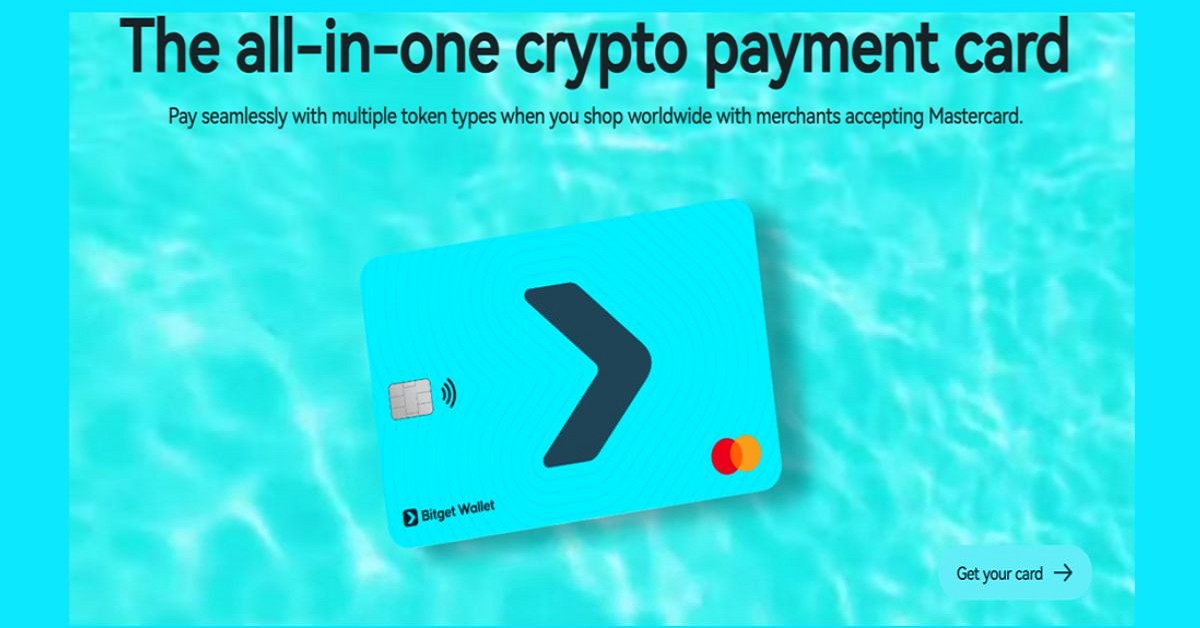
A growing number of providers now offer multi-asset functionality, mobile wallet compatibility, and international payment support, making crypto spending more practical for frequent travellers and digitally active users. For example, a modern Web3 payment card can support direct spending from a connected wallet while integrating with established global payment infrastructure. In the context of cross-border usage, this can reduce the need for repeated manual conversions between crypto and traditional banking systems.
How Indian Card Providers Handle the Crypto-to-Fiat Conversion
Most providers apply live market rates at the moment of transaction, which introduces some exposure to price fluctuations. The converted amount settles through a standard card network, so the transaction flows through existing payment infrastructure despite originating from a crypto wallet.
India continues to remain one of the largest crypto markets globally despite its strict tax framework. According to the 2025 Global Crypto Adoption Index published by Chainalysis, India ranked among the world leaders in grassroots cryptocurrency adoption, reflecting sustained retail and cross-border interest in digital asset usage. This growing participation partly explains the increasing relevance of crypto-linked payment solutions for international spending and online transactions.
Depending on the provider, users may also gain access to features such as support for multiple cryptocurrencies, app-based spending controls, transaction tracking, and compatibility with online and offline merchants. These operational features are increasingly relevant for Indian users who regularly make international purchases or travel abroad
Key Differences Between Prepaid, Debit, and Credit Crypto Cards
Prepaid cards require you to load fiat or crypto in advance. Debit cards draw directly from your wallet balance at the time of purchase. Credit crypto cards, less common in India, extend a credit line backed by crypto collateral. Each type differs in fees, spending limits, and how the underlying asset is treated at conversion.
India's VDA Tax Framework and How It Applies to Card Spending
Under the current VDA tax framework, every card transaction is a taxable event. India classifies cryptocurrencies as Virtual Digital Assets (VDAs), and any transfer, including a routine card purchase, triggers tax liability.
Why Each Card Swipe Is a Taxable Crypto Transfer
The Income Tax Act treats the disposal of a VDA, whether sold or spent, as a transfer. Proceeds from that transfer generate taxable income, even when the purpose is something as routine as paying for food, software subscriptions, or travel bookings.
Flat 30% Tax on Gains: Calculating Cost Basis Per Transaction
Under Section 115BBH of the Income Tax Act, VDA gains are taxed at a flat 30% rate. To calculate the gain, subtract the acquisition cost of the crypto spent from its fair market value at the time of the transaction. Losses from one VDA cannot be offset against gains from another, or against any other income category.
For example, if you bought ETH at INR 1,50,000 and spend it when its market value is INR 2,00,000, your taxable gain is INR 50,000. At 30%, your base tax liability is INR 15,000. Add applicable surcharge and cess, and the effective rate rises further depending on the taxpayer category.
1% TDS on Crypto Transfers and Its Card-Spending Implications
Section 194S, effective July 1, 2022, imposes a 1% Tax Deducted at Source on VDA transfers above specified thresholds. For specified persons, including individuals or HUFs with lower turnover limits, the threshold is INR 50,000 per financial year. For all other persons, including exchanges, it's INR 10,000 per financial year. Card providers or exchanges may deduct this at source, but reconciling TDS against your ITR remains your responsibility as the cardholder.
GST on Crypto Card Fees and Foreign Currency Conversion
GST considerations apply to service fees charged by card providers. Foreign currency conversion fees may attract GST as a financial service, which adds to the effective cost of cross-border transactions. Since fee structures vary between providers, reviewing the applicable conversion and platform charges before using the card internationally is advisable.
Tracking and Reporting Crypto Card Transactions for ITR Filing
Which ITR Schedule Covers Virtual Digital Asset Income
VDA income must be reported under the specific VDA schedule in your ITR form, introduced as part of India's crypto tax compliance framework. Omitting or misreporting this can invite scrutiny from the tax department.
Records You Must Maintain for Every Card Transaction
For each transaction, record the date, the crypto asset used, its acquisition cost, its market value at the time of spending, and the amount converted. This supports your cost basis calculation and gives you a clear paper trail if questions arise.
Where the provider offers downloadable transaction statements, conversion histories, or real-time payment records through a dashboard or mobile application, maintaining accurate documentation becomes significantly easier during annual tax filing.
How to Calculate Gains When the Card Converts Multiple Assets
If a single transaction draws from multiple crypto holdings, each asset's gain must be calculated separately using its individual cost basis. Batch or average-cost methods may not be permissible under Indian rules, so per-asset tracking is essential.
Handling Losses from Crypto Card Spends: What the Law Permits
Section 115BBH is strict on this point. Losses from VDA transactions cannot be set off against gains from other VDAs or any other income, and cannot be carried forward. This significantly limits tax planning options for cardholders.
Cross-Border Use of Crypto Cards: FEMA and RBI Considerations
How the Liberalised Remittance Scheme (LRS) Intersects with Crypto Card Spending Abroad
The Liberalised Remittance Scheme (LRS) permits Indian residents to remit up to a specified annual limit for permitted current and capital account transactions. Whether crypto card spending abroad falls squarely within LRS remains a regulatory grey area. The RBI has not issued explicit guidance on this treatment, so consulting a tax professional before any significant overseas spending remains advisable.
For users who frequently pay international merchants, book hotels abroad, or subscribe to overseas digital services, crypto payment cards can offer faster settlement and easier access to cross-border transactions compared to traditional banking methods. However, convenience should always be balanced with proper compliance and reporting.
Tax Collected at Source (TCS) on International Crypto Card Transactions
TCS applies to overseas card spending above threshold limits under LRS. It's collected upfront but can be claimed as credit when filing your ITR, so tracking TCS paid throughout the year matters for accurate reconciliation.
FEMA Compliance: What Indian Residents Must Know Before Spending Crypto Overseas
The Foreign Exchange Management Act (FEMA) governs cross-border transactions for Indian residents. Crypto payments abroad must align with permitted transaction categories, and documentation of all international crypto card transactions is essential to demonstrate FEMA compliance. Given the regulatory ambiguity around crypto's treatment under FEMA, speaking to a specialist before regular overseas crypto card use is the prudent move.
Practical Steps to Stay Compliant While Using a Crypto Card
Setting Up a Transaction Log That Satisfies Indian Tax Authorities
A compliant log should capture the transaction date, asset type, quantity spent, acquisition cost, conversion rate, and net gain or loss. Spreadsheet tools or dedicated crypto tax software can automate much of this, saving considerable time at filing.
Choosing a Crypto Card Provider That Supplies Adequate Tax Documentation
Look for providers that issue monthly or annual statements showing conversion rates, fees, and asset details per transaction. Without this documentation, self-reporting becomes error-prone and harder to defend if questioned.
Users should also evaluate whether the provider supports international transactions, offers transparent fee structures, maintains security controls for wallet access, and integrates with commonly used payment networks. These operational factors directly influence usability for Indian residents managing cross-border spending.
Quarterly vs. Annual Reconciliation: Best Practice for Indian Cardholders
Quarterly reconciliation helps catch discrepancies early and avoids the last-minute scramble before ITR deadlines. Reconcile your card transaction records against your wallet history and exchange statements every three months. It generally takes far less effort than correcting reporting mistakes at the end of the financial year.
Cost-Benefit Reality: When Crypto Cards Make Financial Sense for Cross-Border Transactions
Crypto cards can reduce friction in international spending, particularly where traditional banking involves high conversion fees, delayed settlements, or limited support for digital assets. At the same time, the flat 30% tax on gains under Section 115BBH , combined with 1% TDS under Section 194S, TCS on overseas remittances, and GST on card-related fees, means the real cost may be materially higher than the displayed exchange rate.
The practical use case is strongest for users spending crypto acquired near its current market value, where per-transaction gains remain limited. For Indian residents who already participate in the digital asset ecosystem and require a more flexible payment option for international transactions, crypto payment cards can provide additional convenience when used with proper tax tracking and regulatory awareness.
Frequently Asked Questions
Is spending crypto via a payment card legal in India?
Yes. Under current rules, spending crypto through payment cards is legally permissible in India, provided you meet your tax obligations and comply with FEMA and RBI guidelines.
Do I owe tax if I spend stablecoins on a crypto card?
Stablecoins are classified as VDAs under Indian law , and their transfer is a taxable event. Whether a gain arises depends on your acquisition cost versus the conversion value. The regulatory treatment of stablecoins continues to evolve, so staying updated on future guidance remains important.
How is TDS handled when I swipe a crypto card abroad?
TDS obligations under Section 194S apply to VDA transfers regardless of where the transaction occurs. Your card provider or the exchange facilitating the conversion may deduct TDS, but verifying this and reconciling it with your ITR is your responsibility.
Can I offset crypto card transaction losses against other VDA gains?
No. Under Section 115BBH, losses from VDA transactions, including crypto card spends, cannot be set off against other VDA gains or any other income category.











 CAclubindia
