
Arjuna (Fictional Character): Krishna, whenever a tense situation escalates between India and Pakistan, Investors have noticed that equity market starts to fall. How do these geopolitical events impact the market?
Krishna (Fictional Character): Arjuna, during such tense situations, the stock market uncertainty is at its peak. Earlier few days back, the Karachi Stock Exchange had to close its operations while the Indian Market closed with losses. So, whenever there is any news regarding this tense situation, investors will looks for a safe exit and the market will fall. This has always been past history. However, in earlier times the intensity of the fall in the Indian market was rapid but now our Indian economy is strong and hence, in current times, the intensity of the fall is not that rapid.
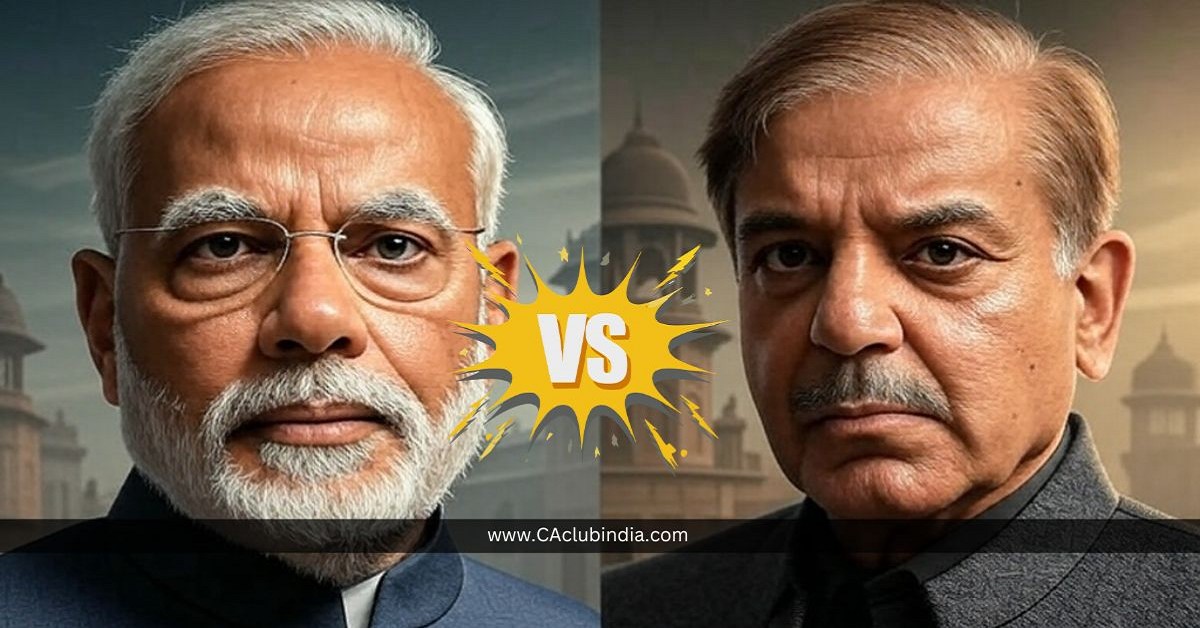
Arjuna (Fictional Character): Krishna, India had faced these situations before as well. How do these events impact the share market?
Krishna (Fictional Character): Arjuna, although India has faced several military tensions, the stock market generally reacts in a similar manner during such events. Here's how the market responded during key incidents:
- During the Kargil War in 1999, the Nifty showed a maximum drop of 0.8% whereas Gold showed a growth of around 1% during the war period
- In the case of the Indian Parliament Attack in 2001, the Nifty showed a maximum drop of 13.9% whereas Gold showed a growth of around 16% during the period.
- During the Uri Attack and Surgical Strike in 2016, the Nifty showed a maximum drop of 2.1% whereas Gold showed a growth of around 0.34% during the period.
- Finally, during the Pulwama Attack and Balakot Airstrike in 2019, the Nifty showed a maximum drop of 1.8% whereas Gold showed a growth of around 3.1% during the period.
Arjuna (Fictional Character): Krishna, what should one do in such situations?
Krishna (Fictional Character): Arjuna, on Saturday evening, both the countries have decided agreed for complete ceasefire, so it would be safe to assume that unless now any other negative military actions comes forward, our market will continue to grow in long run, because it is always seen that once all the negative news are priced in, the market will make the lowest point of that event as a bottom and then rise to make new highs, this does not mean that Nifty will make new highs immediately, but atleast we can hope that markets are not going to fall into losses because of military action news.











 CAclubindia