
Introduction
The foundation of the Indian economy, small and medium-sized enterprises play an essential part in export, GDP, job creation, and inclusive growth. They might think that the GST has substantially raised the cost of compliance. The nation's most important tax reform since its establishment was the Goods and Services Tax, which was implemented after independence. Consumers and companies both encounter specific challenges. This article will explain "How can small businesses deal with GST compliance?" as well as the reasons for challenges in maintaining GST compliance and the GST Compliance checklist for a taxpayer.
What is GST?
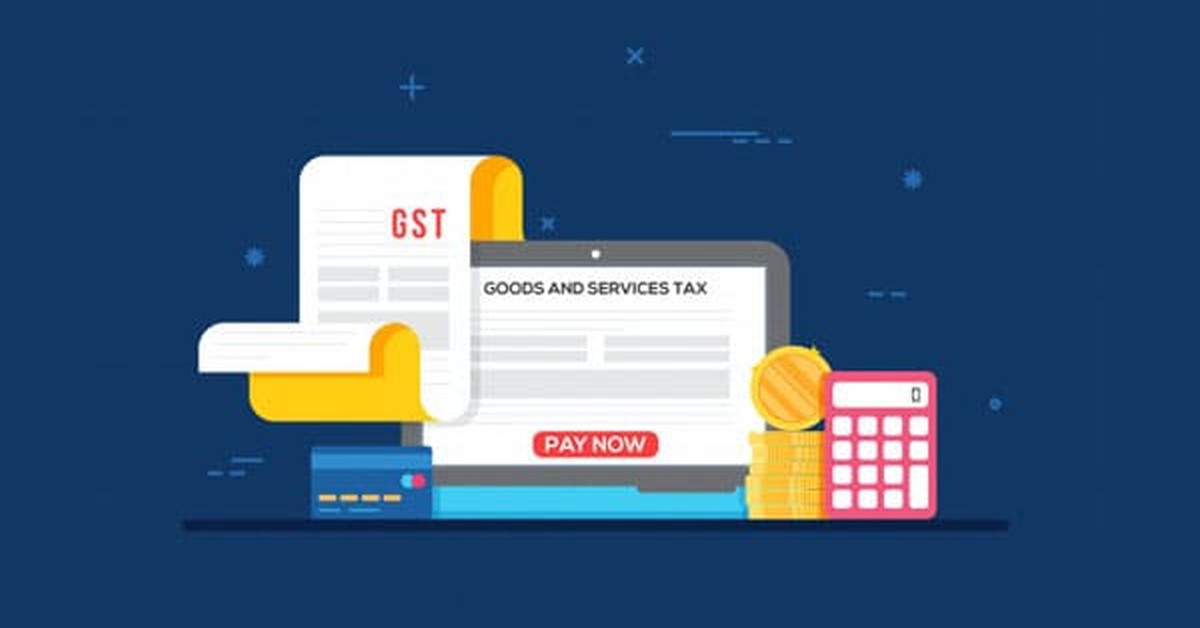
GST stands for goods and services tax. The vast majority of products and services sold for domestic consumption are subject to the goods and services tax (GST), an indirect value-added tax. Consumers pay the GST through GST Returns, and businesses that sell the products and services are accountable for paying it to the government.
What is GST Return?
A GST return is a document that provides information about all of the income/sales and/or expenses/purchases that a GST-registered taxpayer is required to disclose to the tax authorities. Registered taxpayers must submit GST returns that generally consist of:
- Sales
- ITC (GST paid on Purchase)
- Purchases
- Output GST (on sales)
What is the GST Compliance?
GST compliance refers to complying with rules and regulations of the Goods and Services Tax (GST) system. It involves timely filing of returns, payment of taxes, and furnishing proper information in invoices. Compliance is important because it helps businesses avoid penalties and maintain a good GST compliance rating. The GST compliance rating is a score given by the government to a business based on parameters such as timely filing of returns, furnishing details of input credits used, taxes paid, etc.
What is the Checklist of GST Compliance for Taxpayers?
Three categories can be included in the GST compliance checklist:
- Compliances with Return Filing
- Compliance requirements for registration
- Compliance with tax invoices
What are the Challenges faced by small businesses in ensuring GST compliance?
1. Absence of suitable tools: Due to a lack of ability to produce, keep, or record invoices that can serve as proof of payment, many small firms are unable to comply with GST compliance rules.
2. Financial limitations: Due to financial limitations and the limited budgets of small businesses, new businesses frequently assign the wrong accounting resources. You'll need a qualified accountant, or you can get accounting services at a reasonable price from a third party.
3. Software advancement: Many companies employ accounting or ERP systems for compliance. The GST transition will also require businesses to modify their ERPs. Either the program needs to be updated, or new GST-compliant software needs to be purchased.
4. Professional Knowledge: Lack of appropriate professional knowledge is one of the most clear causes for small the company's difficulties in complying with the GST rules.
How should small companies manage GST compliance?
1. Tax Software Tutor: The business may also try to get in touch with experts from the tax software provider from which it purchases its accounting and GST software. The professional might try to explain how to use the GST software while also clearing up any misunderstandings regarding the submission of return forms.
2. Integration of receipts and payment gateways: Customers can receive receipts, and you can match up many payments made to invoices. Ledgers can easily interact with any form of payment gateway to automate invoicing and receipt generation.
3. Financial statements: You can create and send account statements to customers, view accounts receivables and past-due invoice particulars to customers, and send payment reminders with links to online payments. Make statements for your suppliers that show the specifics of your purchases, transactions, and payables.
Summary
GST is charged on all supplies of goods and services made in India, unless they are clearly exempted. GST is also for imports in India. You may guarantee that your records are correct and reduce the cost of GST compliance by following the recommendations given in the article and using the tips given. By adopting these strategies, businesses can lower the cost of GST compliance while also freeing up funds for investment in other divisions of their operations.










 CAclubindia
