 Ishita Ramani
Introduction
In exchange for a salary and non-monetary benefits, employees provide services under employment transactions. This creates a supply at both ends, making it taxable under GST. In this article, we will discuss the effects of GST on employee notice pay recovery, its applicability, and the treatment of GST on such recoveries. But first, let's review GST (Goods and Service Tax).
What is GST (Goods and Service Tax)?
GST is a value-added indirect tax that applies to most goods and services sold for domestic consumption. Consumers pay the tax via GST Return, while businesses selling the goods and services remit it to the government.
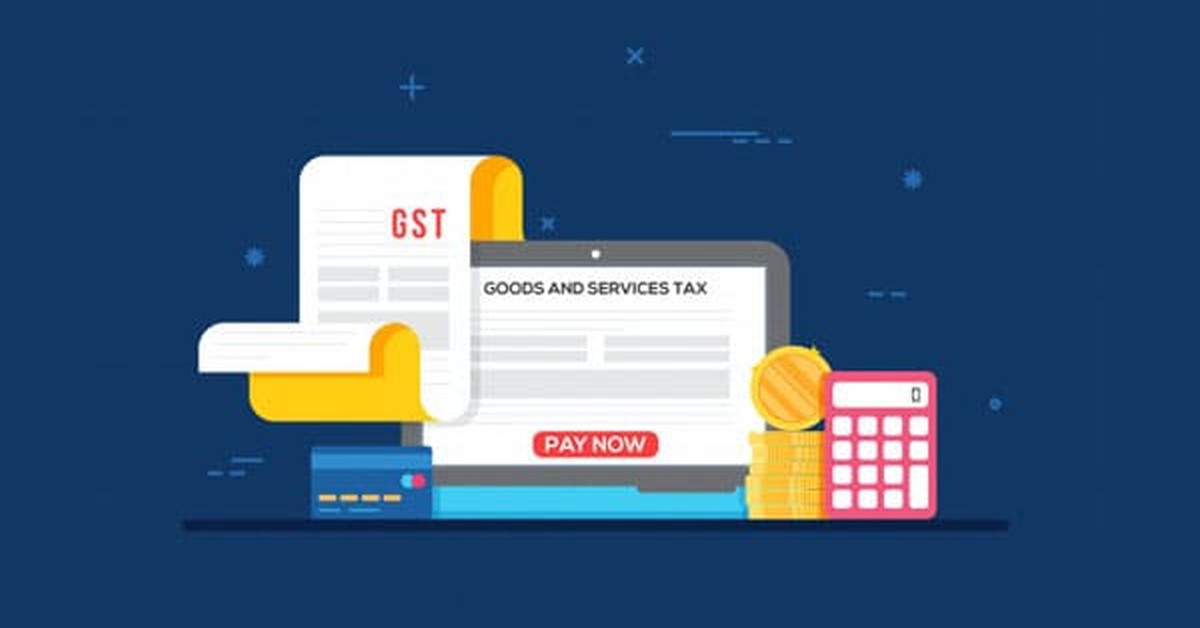
Difference types of Goods and Service Tax (GST)
India has four types of GST that apply to goods and services transactions.
- Central Goods and Services Tax (CGST) is levied by the Central Government on transactions within a state.
- State Goods and Services Tax (SGST) is imposed by state governments within their borders in addition to the CGST.
- Union Territory Goods and Services Tax (UGST) is charged by India's Union Territories on transactions within their borders.
- Integrated Goods and Services Tax (IGST) applies to transactions involving goods and services between states, including imports and exports, and is split between the center and states.
What is employee notice pay recovery?
When a person starts or ends their employment at a company, the terms and conditions of their employment come into effect. If an employee wishes to resign, they are typically obligated to provide the agreed-upon notice period. Nevertheless, many employment agreements contain a provision that requires an employee who wants to leave the organization without fulfilling their notice period to pay an amount equal to the remainder of that period. This is referred to as notice pay recovery, which can be either collected from the employee or deducted from their salary.
How is GST treated in relation to employee notice pay recovery?
Under the CGST Act, all supplies of goods and services are subject to GST. It applies to an amount paid for consideration and in the course of doing business by a registered taxable person. On the other hand, Schedule I of the CGST Act, includes transactions treated as supplies even if they are made without consideration between related parties but in the course of business. Moreover, Section 15 of the CGST Act states that the employer and employee are considered related parties.
Thus, even if a supply is made without consideration by an employer to an employee, it is subject to GST (except gifts up to INR 50,000). However, according to Schedule III of the CGST Act, “services by an employee to the employer in the course of or concerning his employment” are not considered a supply of goods or services. As a result, GST does not apply to employee compensation.
GST Applicability on employee notice pay recovery
When it comes to notice pay recovery, some professionals believe that because it occurs in the course of employment, it is also exempted from GST. However, it should be noted that Schedule II of the CGST Act specifies which activities are considered a supply of goods or services. Among these activities is ‘agreeing to the obligation to refrain from an act or to tolerate an act or a situation.’
There may be different points of view on whether GST applies to notice pay recovery:
- When an employee is compensated for not fulfilling their notice period as specified by their employer, it is considered tolerating the employee's breach of contract. Therefore, GST is applicable to notice pay recovery.
- If the notice pay policy does not include any clauses allowing for such tolerance towards an employee's non-compliance, then the notice pay recoveries are exempt from GST.
Conclusion
In conclusion, companies can choose to stop deducting GST from notice pay recovery if they provide a letter to the department explaining their reasons and referencing favorable legal decisions. They can also request confirmation from the department to avoid any future demands for tax payment, interest, or penalties. For companies with minimal or marginal recoveries, they may opt to stop collecting from employees to take a more cautious approach. Instead, these services can be offered as a complimentary benefit in their employment contract.
You have reached your daily limit of 2 Free Articles
Subscribe to CCI PRO for unlimited access
Why Upgrade to CCI PRO?
- No Ads
- WhatsApp Community
- Daily E-Newsletter
- Unlimited Articles Access
- Profile Visitors
- Link Social Profiles
- Featured Job Posts
- Pro Badge
- Expert GST Guidance
- Unlimited Forum Replies
- Download Content in PDF
Already a PRO member? Login here for an ad-free experience. 011-411-70713











 CAclubindia
