
The transport of goods has always been a risky endeavour that a safety net should back. This safety net is insurance. The value of items is not the only thing that gets damaged if there is an accident. Your company's carrier, crew, and property are also at risk when undertaking such tasks.
The primary reason marine insurance was created was to ensure that the financial resources of the shipper are protected in case a man-made or natural danger threatens the transport.
While the name suggests only ships and vessels on the water, marine insurance goes beyond waterways and provides coverage for rail, road, and air transport of goods too. Various types of marine insurance available in India will give an understanding of the scope of this insurance. Read on to find out more about this insurance.
Also Read: When an insurance policy starts to cover risk
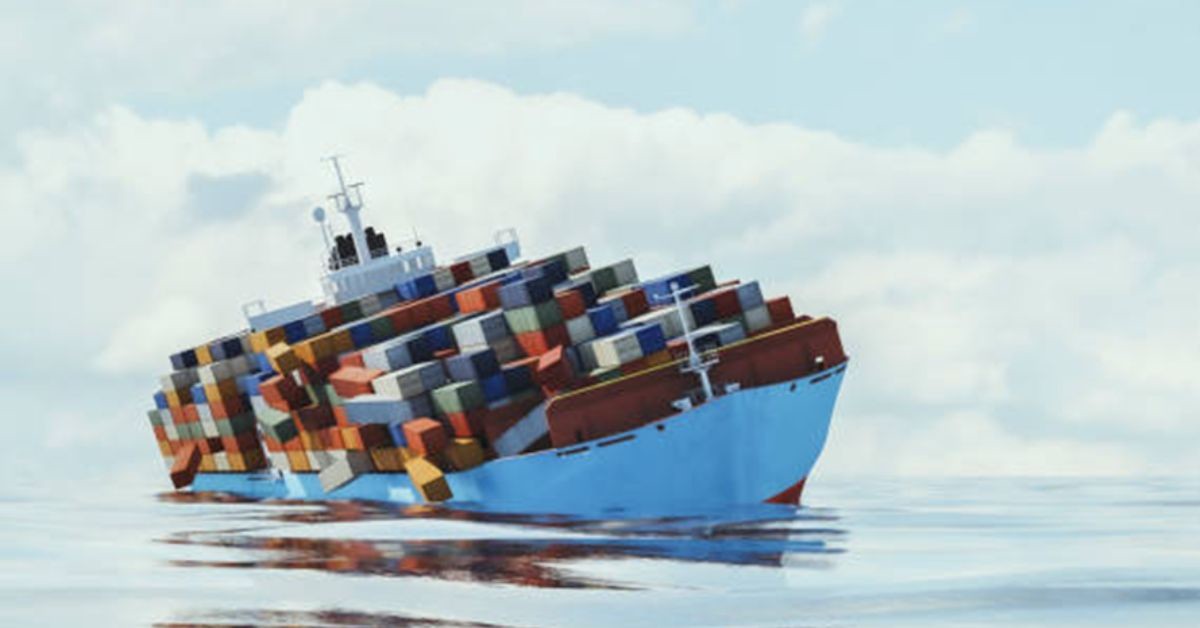
Types of marine insurance in India
1. Marine cargo insurance - This type of insurance covers the vessel along with the cargo under its protection. Contrary to what the term might sound like, marine cargo insurance covers vessels going rail or road as well. The policy covers cargo in case it is damaged when it is in transit, or it is grounded. The causes could be war, collision, sinking, navigation errors, and so on. There are some limitations to this type of insurance too. If the packaging of the cargo turns out to be defective or the defective cargo causes damage, then the policy does not apply.
2. Hull and machinery insurance - The hull is the main part of a ship that ensures the body of the vessel gives airtight and watertight enclosure for storing and transporting goods. It covers accidents or damages caused by earthquakes or even explosions. Hull and machinery insurance is akin to a contractors plant and machinery insurance. It protects the machinery required for the safe and smooth functioning of the vessel. Just like contractors’ plant and machinery insurance, hull and machinery insurance is important for the proper functioning of the vessel and is taken by the owners of the ship.
Also Read: Some facts related to Stamp Duty on Insurance Policies
3. Freight insurance - Freight insurance provides coverage in case freight is lost or damaged. There are various types of freight insurance policies based on the contracts drawn up by the parties.
- Open marine insurance policy - A open marine insurance policy provides cover for a specific period and covers all the shipments during that period.
- Annual plan - Annual plan covers all shipments for an entire year.
- Voyage plan - This plan is similar to marine cargo insurance but expires once the vessel reaches its destination. The time does not matter, and this kind of insurance is usually bought by shippers who do not have a schedule and send their ships only on some occasions.
- Open policy - This policy is also known as the floating policy, and it provides coverage for an infinite number of journeys throughout the tenure of the policy. A beneficial policy for those involved in high-volume trade, it provides coverage until the policy is cancelled or until the last of the payment is realized.
Also Read: What Are The 3 Types Of Life Insurance?
4. Liability insurance - Liability insurance provides coverage for the liabilities sustained by the insured in case of damages or death. It covers any third party liabilities which arise due to damage or injuries to the third party travelling on the vessel.
5. Transit insurance - This insurance is good when an individual is carrying items in his or her private vehicle. This transit insurance secures goods being taken from one place to another. The coverage provided also includes damages due to derailment or overturning of the vessel.
6. Sales turnover policy - This policy is specially curated to protect the company’s sales. This includes import, export, indigenous sales, procurement, and stock transfer too during the financial year. Non-delivery, theft, pilferage, war, SRCC, and fire coverages are available in this type of policy.
7. Valued or unvalued policy - A valued policy is when the insurer assigns the goods a specific value at the beginning of the transport. While filing the claim, that specific amount is disbursed irrespective of the losses or the depreciation incurred by the shipping company. An unvalued policy is when the valuation of the property is done after the accident. The valuation should be supported by documents like invoices, receipts, and so on.
These types of marine insurance make the transfer of goods safer and ensure that shipping companies do not suffer heavy losses. The condition under which transport takes place may be affected by circumstances beyond the control of the companies, which may lead to damages. While there are more types of insurance policies available in the market, these are the major ones and the ones that cater to every section of shippers. These are required to ensure the business gets back on its feet and the setback suffered can be recovered from.
Also Read: Limit of liability under comprehensive insurance policy











 CAclubindia
