
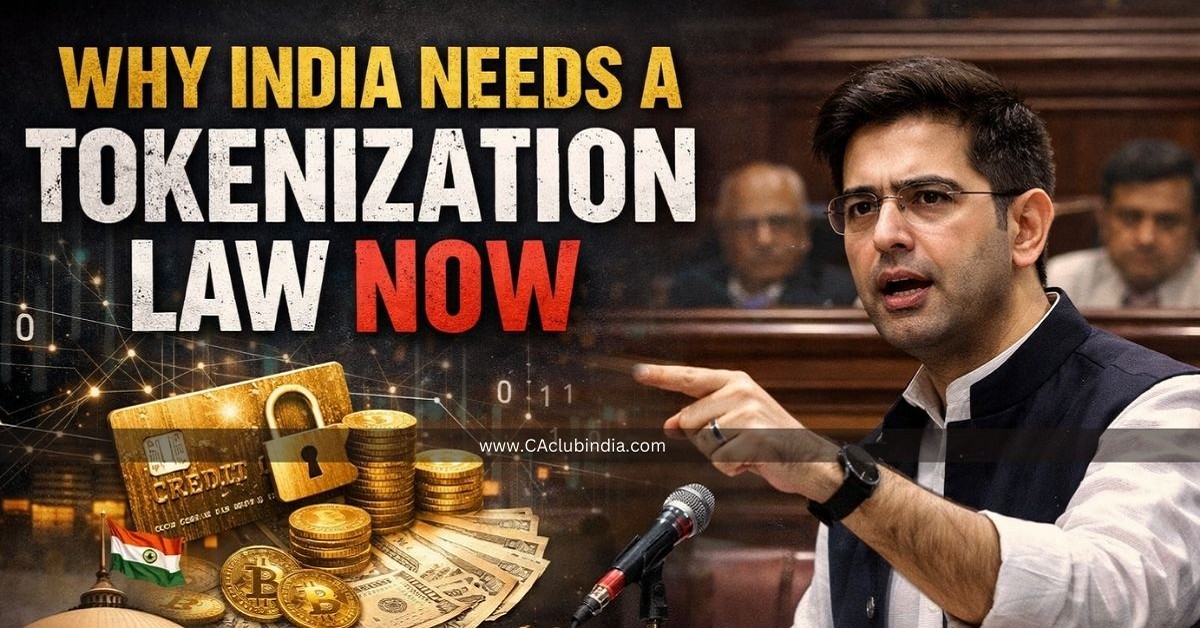
Indian MP Raghav Chadha recently proposed a Tokenization Bill in India's Rajya Sabha to enable fractional ownership of large assets like real estate, infrastructure, and intellectual property via blockchain-based digital tokens. This aims to democratize investment access for the middle class, moving beyond traditional options like bank savings and mutual funds.
What is it?
Tokenization is the process of dividing an asset into multiple smaller pieces to attract even small investors to participate in ownership.
How it works?
Tokenization is a valuable asset, such as real estate or commodities, is represented by digital tokens, each corresponding to a fraction of the whole asset. This breaks down high-value items into affordable shares.
Why does it matter?
This foundational mechanism forms the basis for broader financial innovations, as it directly enables fractional ownership proposed in regulatory discussions.
Key Benefits
- Tokenization matters because it unlocks liquidity into real-world assets.
- By fractionalizing assets, it allows owners to sell small portions quickly, injecting fluidity into markets for real-world assets like property or infrastructure.
- Digital tokens on blockchain provide verifiable ownership records, reducing fraud risks compared to traditional paperwork.
- Streamlines transactions and settlements, cutting costs and time in financial markets, this connects directly to the RBI's goals in pilot programs.











 CAclubindia
