
Compliance in small and mid-sized businesses doesn't just blow up out of nowhere.
It's not about fraud. It's not even about people cutting corners on purpose.
Honestly, problems start way earlier - with missed deadlines, sloppy paperwork, and everyone assuming someone else is on it.
By the time founders see the fallout, it's already hitting the bottom line:
- Penalties
- Audit qualifications
- Investor distrust
- Cash flow disruption
- Regulatory notices
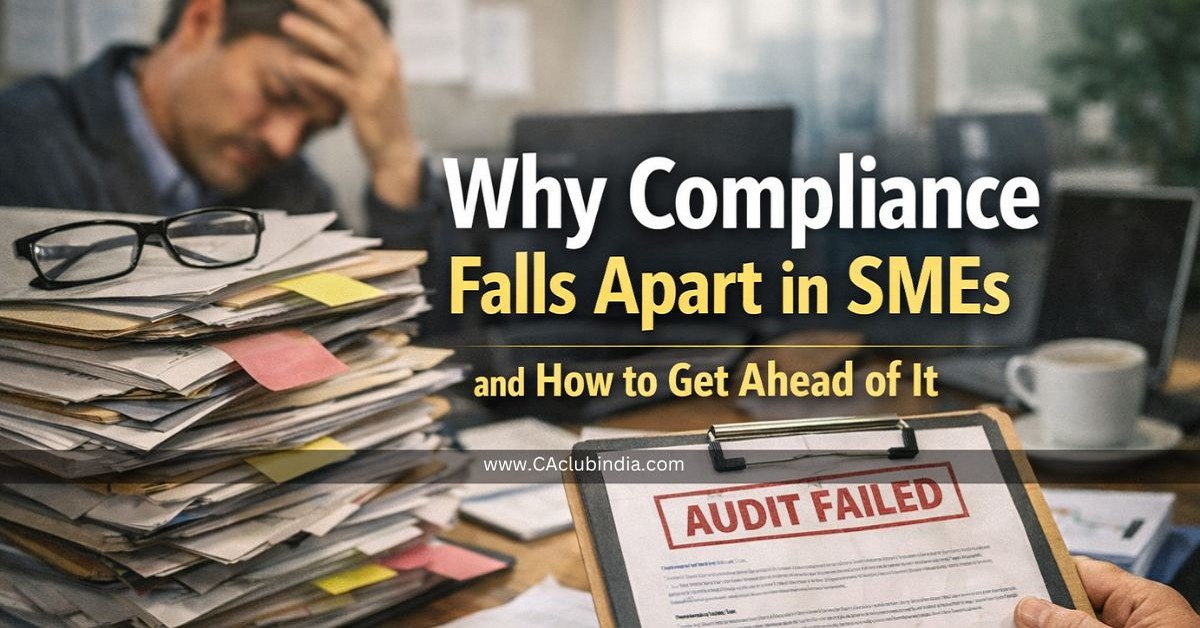
I've seen this play out across all kinds of industries. The story's always the same:
It's not a lack of good intentions. The real culprit? No real system.
Let's dig in.
1. The Real Danger: Missed Deadlines
Most SMEs run in survival mode. Sales, hiring, delivery, putting out fires, repeat. Compliance? It's never urgent - right up until it's a crisis.
Without a real compliance calendar, here's what happens:
- GST / tax filings get delayed
- ROC filings are forgotten
- Statutory dues pile up
- Vendor TDS mismatches happen
- Audit preparedness becomes reactive
This isn't about people not knowing. It's about not tracking.
How the Best SMEs Fix It:
- Keep a rolling 12-month tracker
- Review compliance monthly
- Set up automatic reminders for deadlines
- Give someone else backup oversight - don't let everything hinge on one person
You need a system. Not someone's memory.
2. Weak Documentation: An Auditor's Dream (And Your Nightmare)
Documentation isn't just paperwork. It's what shows you're in control.
But in lots of SMEs, paperwork is a mess:
- Templates are inconsistent
- Agreements are not version-controlled
- Vendor files are incomplete
- SOPs exist verbally but not formally
- Financial reconciliations lack audit trails
When an audit or investor due diligence comes around, you pay for it - big time. Nobody cares about your intentions. They want evidence.
How to Get Documentation Right:
- Maintain standardized templates
- Use structured digital folders
- Conduct quarterly documentation audits
- Reconcile statutory returns with books regularly
- Maintain compliance checklists signed off monthly
If you didn't document it, it didn't happen.
3. Ownership: The Missing Piece
If I had a dollar for every time I heard, "I thought someone else was handling it," I'd buy coffee for the whole office.
When everyone "sort of" owns compliance, nobody's really responsible. That's how things fall apart.
What compliance needs:
- One clear owner per area
- Specific roles and responsibilities
- A way to escalate problems
- Regular reporting to management
Ownership turns compliance from a "to-do" into a real business function. Even if you can't hire a dedicated compliance officer, someone has to own the job.
How to Shift from Scrambling to Staying Ahead
Most SMEs react. They file when someone chases them. They fix stuff when it blows up. They only respond after they get fined.
Proactive compliance flips the script:
- Map out risks
- Run internal audits, not just when you have to
- Reconcile before deadlines hit
- Use dashboards to track compliance
- Report up to management, not just the front line
When you get ahead of compliance, you save money, protect your reputation, keep investors happy, and keep the business running smoother. More than that, you build real trust in the business.
A Simple 3-Step Compliance Playbook for SMEs
If you're a founder or CFO, here's where to start:
Step 1: Get Crystal Clear on the Process
Write down what's due, when, who's responsible, and how it gets checked. No guessing.
Step 2: Assign Real Accountability
Name a single owner for each compliance area. Track it in management meetings - every month.
Step 3: Make Monitoring a Habit
- Monthly compliance reviews
- Quarterly internal audits
- Annual risk assessments
Choose systems over memory, structure over assumptions, and clear ownership over shared confusion.
Why This Matters Now
Rules are getting tougher. More transparency, more investor questions, less room for error.
Compliance isn't just back-office busywork anymore. It's how you scale up safely.
The SMEs who get compliance right early? They attract better investors, grow faster, dodge more disasters, and build a culture that actually lasts.
Wait too long? You'll pay for it - both in cash and in reputation.
Final Thought
Compliance isn't about being scared. It's about building real discipline. It's not just ducking penalties - it's about setting up systems that make your whole business stronger.
So if you're running the show, ask yourself:
- Is our compliance process rock-solid, or are we just hoping someone remembers?
- Your answer says everything about your real risk.
You have reached your daily limit of 2 Free Articles
Subscribe to CCI PRO for unlimited access
Why Upgrade to CCI PRO?
- No Ads
- WhatsApp Community
- Daily E-Newsletter
- Unlimited Articles Access
- Profile Visitors
- Link Social Profiles
- Featured Job Posts
- Pro Badge
- Expert GST Guidance
- Unlimited Forum Replies
- Download Content in PDF
Already a PRO member? Login here for an ad-free experience. 011-411-70713











 CAclubindia
