
Why Large Recipe Libraries Matter on Forge Servers
One thing many players don't realize is just how many recipes on Minecraft a heavily modded server has to manage every second. Vanilla Minecraft only contains a relatively small crafting system, but Forge changes that completely. Every new mod introduces additional crafting tables, machines, processing methods, and item conversions that all become part of the game's recipe registry.
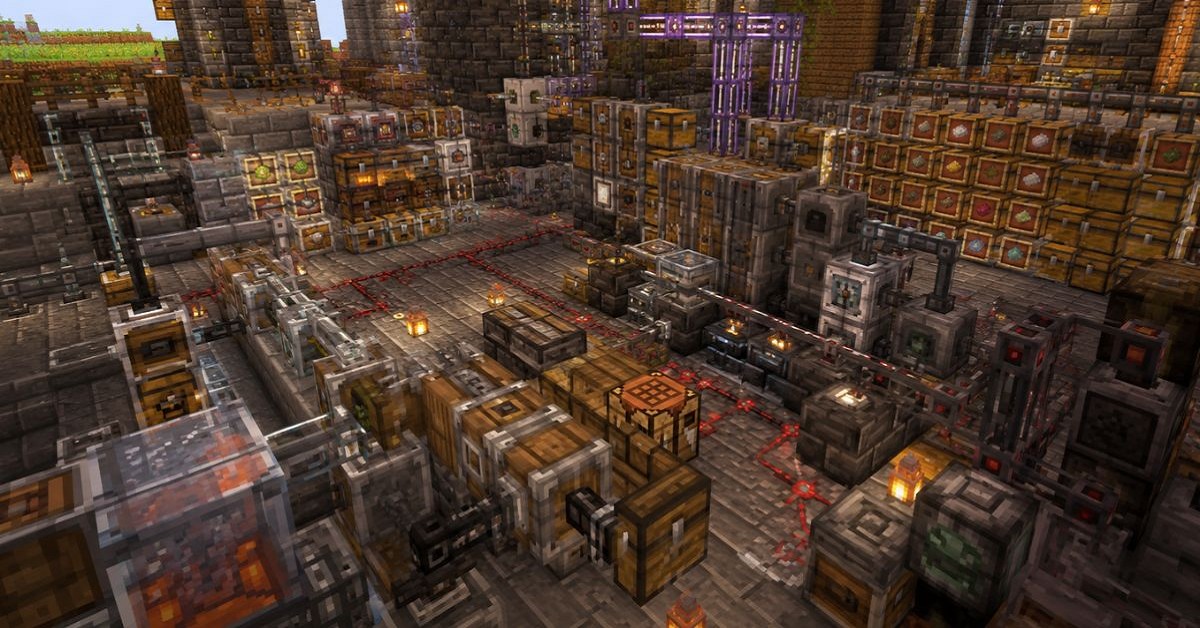
Some of the larger Forge modpacks end up with tens of thousands of recipes once you start combining tech, magic, farming, and automation mods. At that point, players are no longer just making basic tools like pickaxes or furnaces — every new machine usually depends on a long chain of smaller components. Instead, they combine dozens of intermediate components that rely on hundreds of interconnected recipes on Minecraft. A single advanced machine may require gears, circuits, treated wood, steel casings, electronic components, and upgraded alloys, each with their own crafting chain.
The server doesn't just remember these recipes—it constantly checks them whenever a player crafts an item or an automated machine performs an operation. That's why larger modpacks naturally place a heavier load on the server than vanilla gameplay.
Servers running popular packs like All the Mods, Enigmatica, or Create-based kitchensink packs often process thousands of crafting-related events every minute. This becomes even more noticeable once players begin automating those crafting systems instead of crafting everything by hand. Even if recipe lookups are optimized through Forge's caching system, new combinations and constantly changing inventories still require fresh calculations.
Automation Multiplies Recipe Processing
Automation is where Forge servers really begin to work hard. One automated farm isn't usually a problem, but experienced players rarely stop there. It's common for a late-game base to include automatic ore processing, tree farms, mob farms, crop production, storage sorting, and crafting systems operating simultaneously.
Machines frequently rely on recipe lookups and validation systems when processing inputs, especially in complex automation networks. When several automation chains connect together, those checks happen continuously.
For example, a simple iron production setup might look like this:
- ore generation;
- ore washing;
- crushing;
- smelting;
- alloy production;
- component crafting;
- final machine assembly.
Every step relies on separate recipes on Minecraft, meaning the server performs multiple recipe validations before a single finished item reaches storage. Multiply this by several players running independent factories, and the workload increases dramatically.
This is also why many server administrators notice TPS drops only after players reach mid or late game. Early survival involves relatively few crafting operations, while industrial automation generates thousands of recipe events every hour.
Hosting Makes a Bigger Difference Than Many Players Expect
Many people assume adding more RAM solves every Forge performance issue. While memory certainly matters for large modpacks, recipe processing is usually limited by CPU speed rather than available memory.
High-frequency processors complete recipe lookups more quickly, reducing the amount of time each server tick spends evaluating crafting operations. That leaves additional processing time for entity AI, chunk loading, world generation, and networking.
Instead of comparing providers based only on memory, take a closer look at the complete hardware configuration. The best minecraft server hosting for mods usually relies on powerful modern CPUs, extremely fast NVMe storage, and server configurations optimized specifically for Forge. All of that contributes to better tick stability, especially once automated systems begin running around the clock.
Reliable hosting also becomes important during scheduled restarts. Large recipe registries can take noticeably longer to load during startup, especially in modpacks containing hundreds of mods and tens of thousands of registered crafting recipes.
Choosing recommended hosting for forge servers isn't only about preventing lag during busy gameplay sessions. It's also about giving your server enough processing power to handle everything happening in the background, from loading thousands of registered recipes to managing automated factories, chunk updates, and machine networks at the same time.
A Forge server backed by modern hardware isn't only faster after scheduled restarts. It also spends less time recovering from heavy activity, keeps automation running more consistently, and handles large player bases without constant TPS drops. That's especially noticeable in late-game worlds where dozens of machines may be processing items simultaneously. As new mods continue adding thousands of extra recipes, reliable Forge hosting becomes part of the overall gameplay experience.
Keeping Recipe Performance Stable
Even powerful hardware benefits from good server management. Several simple practices help reduce unnecessary recipe processing without changing gameplay.
Avoid creating massive automated crafting loops that constantly check inventories even when storage is full. Storage networks should also be organized efficiently, since searching enormous inventories may increase processing time alongside recipe lookups.
Server owners often schedule regular restarts to clear accumulated memory usage and maintain consistent performance during long play sessions. Keeping mods updated is equally important because developers frequently optimize crafting systems and machine behavior in newer releases.
Finally, testing new mods before adding them to a production server helps identify recipe conflicts or poorly optimized crafting mechanics that could affect overall stability.
Conclusion
Forge has become the standard platform for players who enjoy deep progression, industrial automation, and enormous crafting systems. Whether you're expanding basic minecraft wood recipes with decorative building mods or creating advanced factories powered by complex minecraft iron recipes, nearly every activity depends on efficient recipe handling behind the scenes.
As modpacks continue growing in size, the number of recipes on Minecraft keeps increasing as well. Choosing hardware with strong single-core performance, enough memory, and storage optimized for modded workloads helps keep those crafting systems responsive even during heavy automation.
For communities planning to host larger Forge packs, investing in the best minecraft server hosting for mods gives your community a more stable environment for exploring increasingly complex automation, larger factories, and thousands of interconnected crafting recipes without sacrificing overall server performance.











 CAclubindia
