
We all are well equipped with the idea of physical aerobics. The aerobics which helps to keep our body in movement and spirit. But have you ever tried to focus on the mental aerobics? The one which will open the doors of success, that you have desired for so long?
What is exactly the concept of mental aerobics? It is, achieving the path of excellence by practicing self-mastery, i.e. Kaizen. Kai means change, Zen means good. Kaizen, in Japanese, means never-ending improvement. The constant and consistent pursuit of self-improvement is defined as Kaizen.
Interestingly, from Ben Franklin to Mahatma Gandhi, from Nelson Mandela to Mother Teresa, successful and influential people do things consistently to advance confidently in the direction of their goals and dreams.
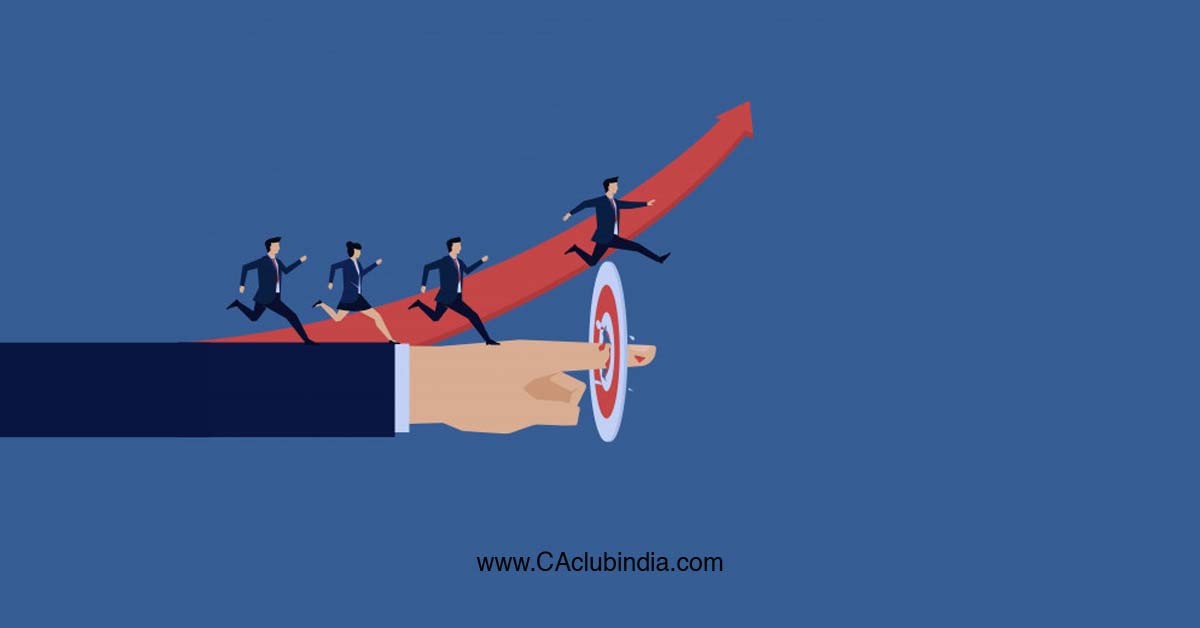
Why is it so important to inculcate Kaizen as your daily mantra for success?
The answer to this question lies in the quote given by Swami Sivananda - Thought is a vital, living force, the most vital, subtle and irresistible force that exists in the universe .. thoughts are living things. The first step to personal mastery and successful living is to learn how to run your mind like a winner. A successful and conquering mindset does not come in a day. You have to work hard consistently on it, to unveil the astonishing results in your life.
The bigger question that comes is - how to practice Kaizen in our daily lives?
Having 168 hours in a week, give atleast an hour a day to revitalize your body, mind and spirit. Some people might say that they are too busy and cannot afford to take this time off. But remember, as the famous German Author, Johann von Goethe has said, "Things which matter most should never be at the mercy of things which matter the least."
Key principles and core elements of Kaizen when applied at workplace can reap exuberant results.
Listed below is the quick and practical guide to the Kaizen Process
- First and foremost, Identify the root cause of the problem.
- Think, how can we address the root cause of the problem?
- Identify, are changes being carried out consistently.
- Examine, what impact do our continuous improvement efforts create.
- Analyze, how else can we keep improving.
The road of continuous improvement is not marked by an attitude of perfectionism but a desire for growth- personal and organizational. Celebrate every win but never stop improving. Be proactive about solving problems in the workplace because kaizen is an unending process. The kaizen cycle aims to keep on producing industry-shaping innovations through years of continuous improvements.
Always remember, as quoted by - Masaaki Imai, Founder of Kaizen Institute,
"Kaizen is everyday improvement- every day is a challenge to find a better way of doing things. It needs tremendous self-discipline and commitment."
Today, organizations across different industries adopt kaizen as a part of their core values and practice continuous improvement on a day-to-day basis. It is also used with other analytical frameworks such as SWOT.
A prominent example of Kaizen is the implementation of a process called PDCA cycle. Which means the Plan, Do, Check, Act method. . The first step in PDCA is execution of the plan, which will be later used for comparisons. When results are achieved, they are then checked and compared to the expected output. The results are then discussed and refined, to come up with a new plan.
Lastly, let us go through some of the crucial benefits offered by the Kaizen philosophy -
- Consistent, ongoing process of improvement takes place
- Improvement process has clearly defined, measurable goals
- Constant review of successes occurs, and the improvement process itself is evaluated
- Consistency of the process leads to new, higher goals
The Kaizen mindset of continuous improvement makes for a more productive and efficient workplace by implementing small changes and emphasizing the involvement of all employees. Kaizen establishes a consistent process for improvement, defines the organization's goals, and gives managers the tools they need to reach those goals.
The author is a Student at ICAI, a Passionate Writer, a Curious Learner and an Orator. She has contributed articles in various branches of ICAI through it's newsletters. She is also a Book Author and a Podcast Speaker. She has earned over 100K + views for her knowledgeable articles on Linkedin. For any professional queries, you can contact her on the same.











 CAclubindia
