
The Union Budget 2026 is anchored in the guiding principle of "Sabka Vikas" (Development for All), framing its policies as a strategic push toward realizing a "Viksit Bharat" (Developed India) by 2047. Its core pillars are designed to drive inclusive growth, eradicate poverty, ensure universal access to education and healthcare, achieve full employment, boost women's participation in the economy, and empower farmers to establish India as the world's food basket.
At its core, the budget focuses on four key growth engines-agriculture, MSMEs, investments, and exports which will be propelled by wide-ranging reforms in sectors like taxation, power, urban development, mining, finance, and regulations. It places a special emphasis on the welfare of four key groups: the Garib (poor), Youth, Annadata (farmers), and Nari (women), through targeted measures such as rural prosperity programs and skill development initiatives.
Its strategic priorities are anchored in transformative reforms designed to achieve balanced regional development, stimulate private investment, generate employment, and enhance global competitiveness. These goals will be pursued through structural changes across six major domains to drive productivity and ensure sustainable growth.
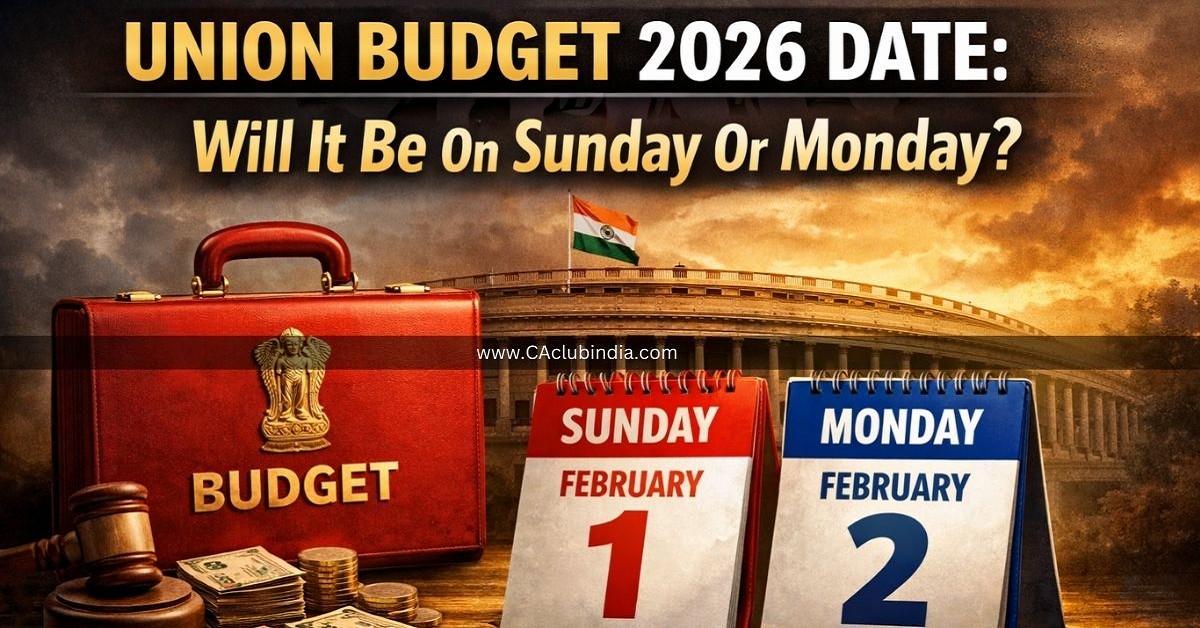
India's Union Budget 2026 will be presented on Sunday, February 1, 2026, by Finance Minister Nirmala Sitharaman, marking a historic Sunday tabling. This event outlines the government's fiscal roadmap for the upcoming financial year, focusing on growth, taxation reforms, and sectoral allocations.
Presentation Details
Parliament's budget session will begin on January 28, followed by the presentation of the Economic Survey on January 29. At 11 AM on February 1, Finance Minister Nirmala Sitharaman is set to deliver her record ninth consecutive budget address, initiating the subsequent parliamentary debate.
Key Expectations
Highlights are anticipated to feature income tax relief for the middle class, potentially raising the nil-tax threshold to ₹12-12.75 lakh. Further reforms in GST, enhanced credit facilities for MSMEs, an agricultural mission aimed at pulses self reliance, and a fiscal deficit target of approximately 4.4% are also widely expected.
Economic Context
Building on a projected nominal GDP growth of 10.1%, the fiscal blueprint prioritizes three pillars: continued high public capital expenditure exceeding ₹10 lakh crore, an ambitious ₹10 lakh crore asset monetization plan, and the expansion of inclusive schemes targeting key demographics-youth, farmers, and women.
| Event | Date |
| Budget Session Begins | January 28, 2026 |
| Economic Survey Presentation | January 29, 2026 |
| Union Budget 2026 Presentation | February 1, 2026 (Sunday) |
| First Phase Ends | February 13, 2026 |
| Second Phase Begins | March 9, 2026 |
| Session Concludes | April 2, 2026 |
FAQs
Will this be a full budget or an interim budget?
Union Budget 2026 will be a full budget. An interim budget (Vote on Account) is only presented in election years (like 2024) before the general elections. The next general elections are due in 2029.
What is the key document released on the budget day?
The Finance Minister's Budget Speech is the key document, along with:
- Annual Financial Statement (the main budget document)
- Finance Bill
- Detailed demand for grants
- Economic Survey (usually presented a day before the budget).
When will the full budget documents be available online?
They are made available in real-time on the official websites: www.indiabudget.gov.in and www.pib.gov.in.
When will the official date be confirmed?
The date is formally announced by the Ministry of Parliamentary Affairs when it notifies the dates for the Budget Session of Parliament, usually in early January 2026.
You have reached your daily limit of 2 Free Articles
Subscribe to CCI PRO for unlimited access
Why Upgrade to CCI PRO?
- No Ads
- WhatsApp Community
- Daily E-Newsletter
- Unlimited Articles Access
- Profile Visitors
- Link Social Profiles
- Featured Job Posts
- Pro Badge
- Expert GST Guidance
- Unlimited Forum Replies
- Download Content in PDF
Already a PRO member? Login here for an ad-free experience. 07941056694










 CAclubindia
