
Quick Summary
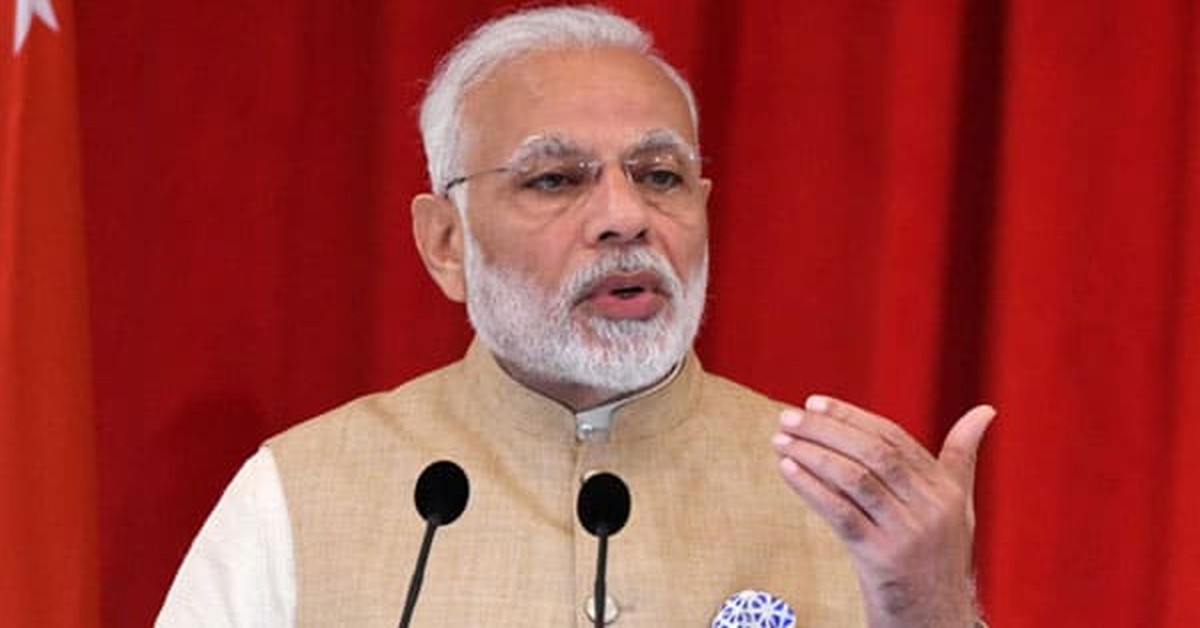
PM Narendra Modi launches a platform for Transparent Taxation to Honor the Honest.
What is the Taxpayer's Charter?
The taxpayers charter is a historical document that contains the right of the taxpayer, it also contains obligations associated with these commitments.
A. Commitment to taxpayers by Income Tax Department
- To provide fair, courteous, and reasonable treatment
- Treat taxpayer as honest
- To provide mechanism for appeal and review
- To provide complete and accurate information
- To provide timely decisions
- To collect the correct amount of tax
- To respect privacy of taxpayers
- To maintain confidentiality
- To hold its authorities accountable
- To enable representative of choice
- To provide mechanism to lodge complaint
- To provide a fair & just system
- To publish service standards & report periodically
- To reduce cost of compliance
B. Expectation from taxpayers by Income Tax Department
- Be honest & compliant
- Be informed
- Keep accurate records
- Know what your representative does on your behalf
- Respond in time
- Pay in time
What are Faceless Appeals?
A. Features
- Appeals to be randomly allotted to any officer in the country
- The identity of officers deciding appeal will remain unknown
- No need to visit the officer/office
- The appellate decision will be Team Based & reviewed
B. Exceptions: CASES RELATING TO
- Serious frauds, Major Tax Evasion, Sensitive & Search matters
- International tax
- Black Money Act & Benami Property
Widening the Tax Base:
A. Deduction or collection of tax TDS or TCS on new transactions:
- TDS on Cash withdrawal above Rs. 1 crore (in case of Non-filers limit is Rs. 20 lakh)
- TCS on motor vehicle above Rs. 10 Lakh
- TCS on Foreign remittance under LRS above Rs. 7.5 lakh/overseas tour packages
- TDS on e-commerce suppliers & TCS on purchase of goods above Rs. 50 Lakh
B. Expansion of scope of Reporting of transactions:
- Cash deposit or withdrawal of Rs. 50 lakh or more in current account
- Cash Deposit of above Rs. 10 lakh or more in non current account
- Sale of foreign exchange above Rs. 10 lakh
- The reporting of transactions of mutual funds, credit card transactions, immovable property, etc. rationalized
C. Compulsory Filing of return:
- Deposit above Rs.1 crore in current account or
- Expenditure of above Rs. 2 lakh on foreign travel &
- Electricity consumption above Rs. 1 lakh
Proposed Measures for Widening of the tax base
A. Expansion of scope of Reporting of transactions (SFT):
- Payment of educational fee or donations above Rs. 1 lakh per annum
- Electricity consumption above Rs. 1 lakh per annum
- Domestic business class air travel or foreign travel
- Payment to hotels above Rs. 20,000
- Purchase of Jewellery, white goods, painting, marble, etc. above Rs. 1 lakh
- Deposit or credits in current account above Rs. 50 lakh
- Deposit or credits in non-current account above Rs. 25 lakh
- Payment of property tax above Rs. 20,000 per annum
- Life Insurance premium above Rs. 50,000
- Health insurance premium above Rs. 20,000
- Share transactions / D-MAT accounts/Bank lockers
B. Deduction/collection of tax at higher rates for non-filers of return
C. Compulsory filing of return by the person having bank transactions above Rs. 30 lakh, all professionals, businesses having turnover above Rs. 50 lakh, payment of rent above 40,000
Ease of compliance for taxpayers
A. Faceless E-assessment Scheme
The E-assessment Scheme, 2019 eliminates
- Interface between the Assessing Officer and the assessee
- Optimising use of resources through functional specialisation
- Introducing the team-based assessment
B. Document Identification Number {DIN)
- Every communication of the department issued from 1st Oct 2019 mandatory to have computer-generated unique DIN
C. Pre-filing of Income-Tax Returns
- ITR form now contains pre-filled details of certain incomes
D. Simplification of compliance norms for Start-ups
- Hassle-free assessment procedure, exemptions from Angel-tax, the constitution of dedicated start-up cell
- The threshold for launching prosecution increased
- System of a collegium of senior officers for sanction of prosecution introduced
- Norm for compounding relaxed









 CAclubindia
