 Niyati
For years, buying a luxury car in India felt out of reach for most middle-class families. But the pre-owned market has changed the game. Today, a well-maintained Mercedes, Audi, or even a BMW that costs Rs 60-70 lakh brand-new can be found for half or less of its showroom price within 3-5 years. Suddenly, what was once aspirational is now a realistic upgrade. So the big question is: does going premium in the second-hand space actually make sense? Let's break it down.
Why Premium Pre-Owned Cars Are Worth a Look?
Here are some of the reasons why premium cars are viable in the used car market:
1. Massive Depreciation Works in Your Favour
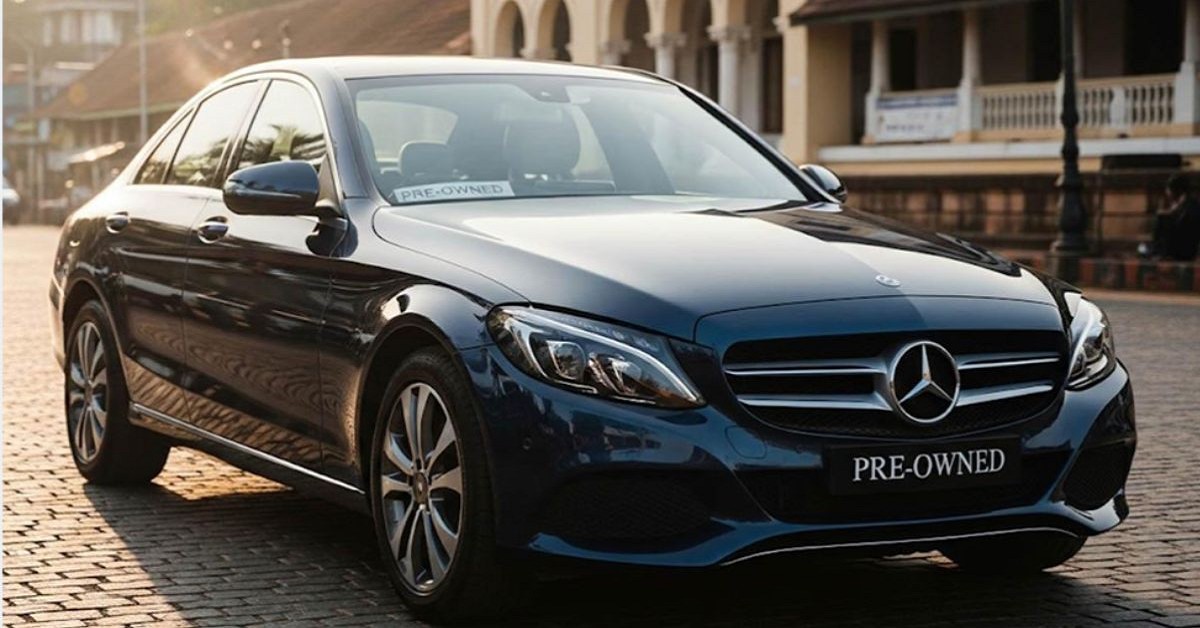
Luxury cars depreciate faster than mass-market cars. A Rs 70 lakh sedan will easily drop to Rs 30-35 lakh in four years. This is painful to the initial owner, but it means that you can enter the luxury league at the same cost as a new Innova or Safari.
2. Better Build, Better Safety
Even an older German sedan is usually better built, safer and more solid than a majority of new mass-market SUVs. Features such as multiple airbags, solid chassis design, and safety assists are standard with premium pre-owned vehicles.
3. Lifestyle Upgrade Without Breaking the Bank
The utility of a luxury car goes beyond the badge. Comfort, sound insulation, ride quality, and technology make the daily commute less of a burden. For many buyers, this everyday luxury matters as much as owning a famous logo.
What's the Catch?
The low price of these cars, as a result of depreciation, also comes at a higher maintenance cost. Spares are pricier, repairs need authorised centres or trusted independents, and insurance premiums are more expensive than mass market options.
But the good news? The pre-owned ecosystem is maturing. Online platforms, BMW dealer-certified outlets, and even independent garages are making ownership far less intimidating.
Top Premium Pre-Owned Cars That Make the Cut
Not every luxury car is worth chasing in the used space. Some lose value too fast, some cost a lot to maintain, and some simply don't age well. But a few models have built a reputation for providing excellent value, which are:
1. BMW 3 Series, 5 Series
When it comes to German sedans, BMW's 3 and 5 Series are the go-to picks. Even a 5-6-year-old 3 Series feels modern inside, iDrive still works clean, engines are efficient, and the drive quality holds up. What tips it further in favour is resale. Studies show the 3 Series holds close to 48% of its value after 5 years in the international market and it is somewhat similar in the Indian market as well. Service bills at authorised centres average around Rs 40,000-Rs 60,000 a year, but with decent part availability, it's a manageable ask.
If you're after something that still excites behind the wheel but won't tank your wallet at resale, BMW second hand cars tick both boxes.
2. Toyota Fortuner
The Fortuner isn't technically luxury, but in India, it's treated like one. The resale tells the whole story: clean models retain 70-75% of their value even after 5 years, making it one of the strongest bets in the SUV space. Owners will tell you it barely spends time at the garage apart from regular service, which costs around Rs 10,000-Rs 25,000 annually for the basic service. Add Toyota's bulletproof service network and you know why demand stays sky-high, whether in Delhi, Pune, or even Tier-2 towns.
A second hand Fortuner is less about fancy gadgets and more about long-term peace of mind with guaranteed resale.
3. Audi A4 / Q3
Audi's A4 sedan and Q3 SUV bring the brand's signature flair without scaring you at the bank. Yes, depreciation bites harder here,, which actually works in your favour if you're buying a 4-5-year-old model. Service costs hover between Rs 30,000-Rs 60,000 annually, and most extended warranties keep things in check. Interiors still feel fresh with virtual cockpit, MMI, Android Auto/Apple CarPlay.
If style and features are high on your list, the A4 and Q3 deliver plenty of luxury without demanding showroom money.
4. Mercedes C-Class / E-Class
The C and E-Class are all about comfort and presence and this does not change in the used market. Like all German luxury brands, depreciation does hit hard, expect anywhere between 45-50% within 5 years, which is decent, given the badge. Annual maintenance is heavier, usually Rs 60,000+, but the parts network and dealer reach help ease the sting. The E-Class especially continues to feel like a proper business-lounge-on-wheels, which is exactly why clean units move fast.
For buyers who want luxury that still feels special every single time you sit in the car, few match a well-kept C or E-Class.
The Smart Buyer's Checklist
Buying premium pre-owned cars is not the same as choosing a regular hatchback. These are the things you must do before you sign the deal:
1. Service History is Non-Negotiable
Luxury cars are packed with electronics and complicated systems. A clean, stamped service record by an authorised workshop is the best insurance. Walk away from "owner serviced" claims unless there is proof of a well-known garage.
2. Mileage Sweet Spot
The most optimal purchases are cars that are 3-6 years old with approximately 30,000-60,000 km on the odometer. If the car is newer than that, then you may have to face prolonged idle wear. Go for options beyond the 60,000 km mark and you will be spending more on replacements such as clutch, suspension, tyres and brake rotors.
3. Accidental & Flood Check
Premium cars are costly to repair in case they have suffered structural damage. Always make sure to check the insurance claims history and see whether there is any indication of repainting, uneven panel gaps, or rust. In flood-prone cities, check carpets, wiring, and boots for dampness.
4. Insurance & Warranty
Premium insurance may be 2-3 times higher than an ordinary car. Factor this in. You can pay extra to get an extended warranty or dealer-certified guarantee, which is worth the premium upfront.
5. Hidden Costs
Individual components such as headlights, alloys, or infotainment screens may cost lakhs. Check whether the previous owner has changed major consumables like tyres, brake pads, battery, or you will be paying the price soon after purchase.
Where to Buy Smartly?
The second hand market has matured a lot in India. Here is where savvy buyers are shopping:
● Brand-Certified Programs (BMW Premium Selection, Mercedes-Benz Certified): Higher sticker price, but you get a warranty, proper inspection, and peace of mind.
● Trusted Online Platforms: Transparent pricing, verified car checks, and financing options make it easy for budget-conscious buyers to explore luxury without the stress of second-guessing the actions of suspicious dealers.
● Reputed Independent Dealers: Many metro-city independents specialise in luxury used cars. Just make sure they offer RC transfer, accident verification, and some sort of warranty.
Tip: Never cut corners on paperwork. RC transfer, tax clearance, and NOC are just as important as the car itself.
Who Should Actually Buy Premium Pre-Owned?
Here's the honest bit: not everyone should chase a badge. If fuel prices, service bills, or tyre costs keep you awake at night, then it is best to stick to a mass-market upgrade.
If you are a working professional, business owner, or family that can comfortably set aside Rs 1-1.5 lakh a year on maintenance and are looking to upgrade out of a mid-size sedan/SUV, in that case a pre-owned luxury car makes sense.
Think of it this way: instead of buying a brand-new Rs 20-25 lakh SUV that will look common in a year, you could be driving a used BMW that not only stands out but also feels much more premium.
Summary
Premium pre-owned cars in India are not just for the elite anymore. The right car, bought at the right age with a clean record, can deliver the best of both worlds: luxury and value. Yes, running costs are higher, but what you save on depreciation often offsets that in the long run. If you've done your homework and budgeted realistically, a second-hand BMW car or even a well-kept Fortuner could give you an ownership experience miles ahead of most new cars in the same price band.
The key is to approach it smartly: check the records, buy from trusted sources, and pick a model with strong resale and proven reliability. Do that, and you're not just buying a car, you're buying into a lifestyle that finally feels within reach.











 CAclubindia