
Introduction
GST reforms have officially come into effect in India from September 22, 2025. Under these reforms:
- GST slabs have been simplified - now only 5%, 18%, and a special 40% slab remain.
- Tax on essential goods has been reduced, making daily-use items cheaper.
- Certain harmful and luxury items have been placed in the "Sin Goods" category, which now attract a 40% GST.
Sin Goods are products that are harmful to health, the environment, and the economy, such as tobacco, cold drinks, fast food, high-end cars, and IPL tickets.
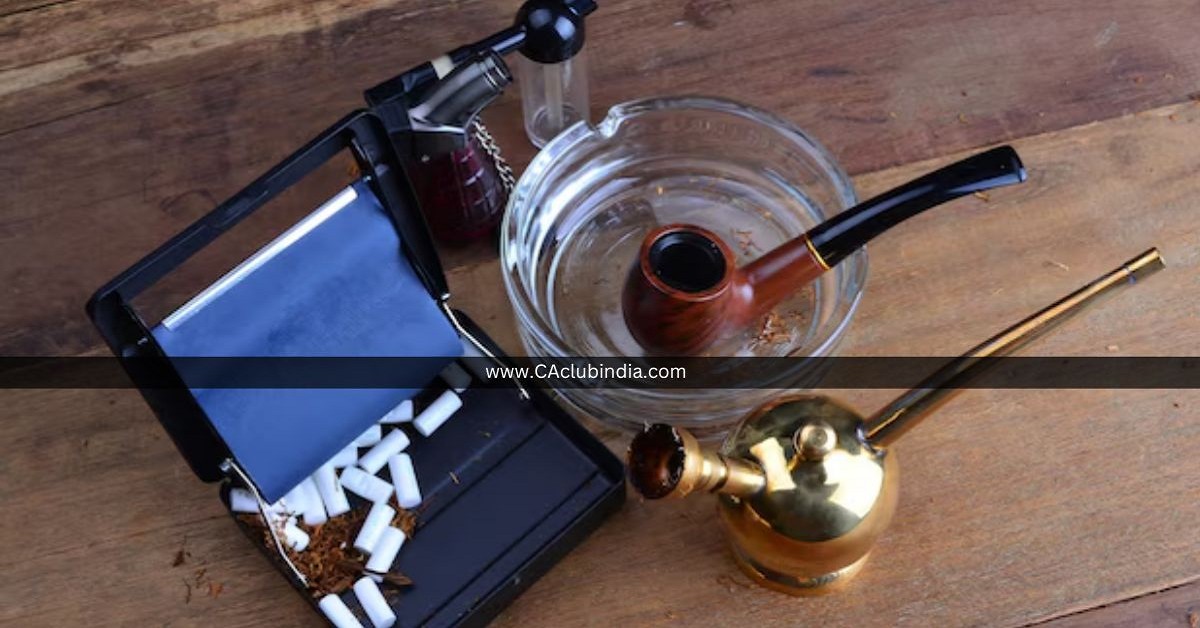
What Are Sin Goods?
Sin Goods refers to those items which:
- Are harmful to health (tobacco, gutkha, sugary drinks)
- Excessive luxury consumption is targeted (luxury cars, yachts, jets)
- We provide gambling or betting services.
Objective: The Government wants to reduce the consumption of harmful products and generate revenue.
Full List of Sin Goods Under 40% GST (2025)
1. Tobacco Products
- Paan Masala
- Gutkha
- Chewing Tobacco
- Unprocessed Tobacco & Waste
- Cigarettes (small & large)
- Cigars
2. Drinks
- Carbonated Drinks
- Sugar-Added Cold Drinks
- Caffeine-Based Energy Drinks
3. Fast Food & Junk Food
- Packaged Fast Food Items (Burger, Pizza, Fries from branded outlets)
4. High Engine Cars & Bikes
- Petrol Cars (1200cc+)
- Diesel Cars (1500cc+)
- Bikes (350cc+)
5. Luxury Items
- Super Luxury Yachts
- Private Jets
- Personal Helicopters
6. Entertainment & Services
- IPL Match Tickets (previously 28% GST, now 40%)
- Gambling & Betting Services
- Online Gaming / Fantasy Sports
7. Others
- Coal, Lignite, Peat (carbon-based products)
Impact of 40% GST on Sin Goods
- Cigarette and tobacco users will have to bear an extra 10-15% cost
- Cold drinks and energy drinks have now become more expensive
- IPL tickets and gambling services will now impose an extra burden on the pocket
- Luxury cars, yachts, and private jets will be taxed higher
This move has a double benefit for the government:
- Consumption of harmful products will be reduced
- Revenue will be generated that will be used for public welfare and health programs
Why the Government Increased GST on Sin Goods
- Health Protection: Tobacco and sugary drinks are harmful
- Luxury Control: High-end cars and yachts are only available to a small segment
- Revenue Generation: Higher taxes will provide the government with additional funds
Key Takeaways
- Essential goods have become cheaper
- Sin goods now fall under the 40% GST slab and have become expensive
- Both businesses and consumers must maintain timely GST compliance
Conclusion
The GST reforms of September 22, 2025, impacted both consumers and businesses. Essential items are now affordable, but sin goods like tobacco, cold drinks, IPL tickets and luxury cars have become expensive.
You have reached your daily limit of 2 Free Articles
Subscribe to CCI PRO for unlimited access
Why Upgrade to CCI PRO?
- No Ads
- WhatsApp Community
- Daily E-Newsletter
- Unlimited Articles Access
- Profile Visitors
- Link Social Profiles
- Featured Job Posts
- Pro Badge
- Expert GST Guidance
- Unlimited Forum Replies
- Download Content in PDF
Already a PRO member? Login here for an ad-free experience. 011-411-70713










 CAclubindia
