Benefits available for senior citizens under IT Act 1961


Quick Summary
The Income Tax Act 1961 offers several financial advantages to senior citizens. These include a higher basic exemption limit for income tax, with specific amounts for senior and super senior citizens. Additionally, senior citizens may be exempt from paying advance tax under certain conditions and benefit from increased deduction limits for medical insurance premiums and treatment of specified diseases. They can also claim higher deductions on interest earned from savings accounts and deposits. Furthermore, specific senior citizens aged 75 and above, with only pension and bank interest income, are exempt from filing their own Income Tax Returns.

Benefits for Senior Citizens

1. Higher Basic Exemption Limit

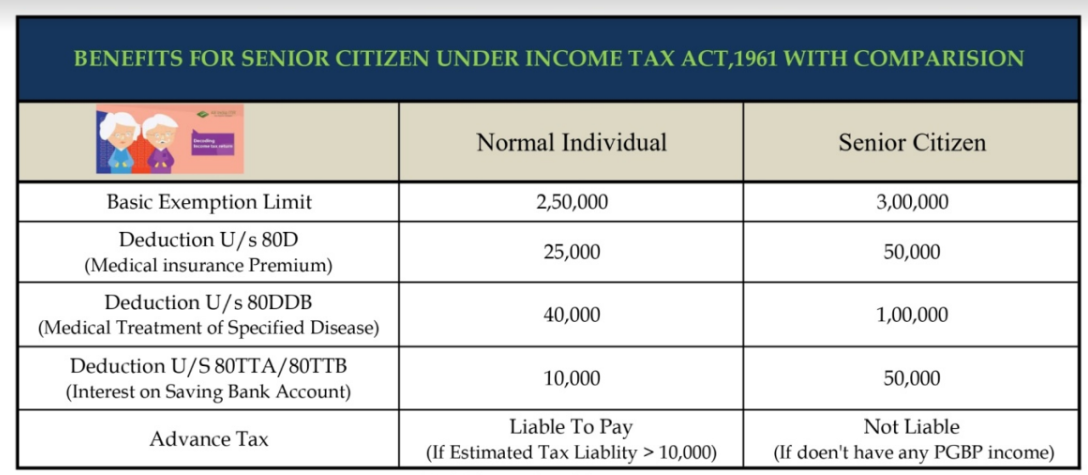
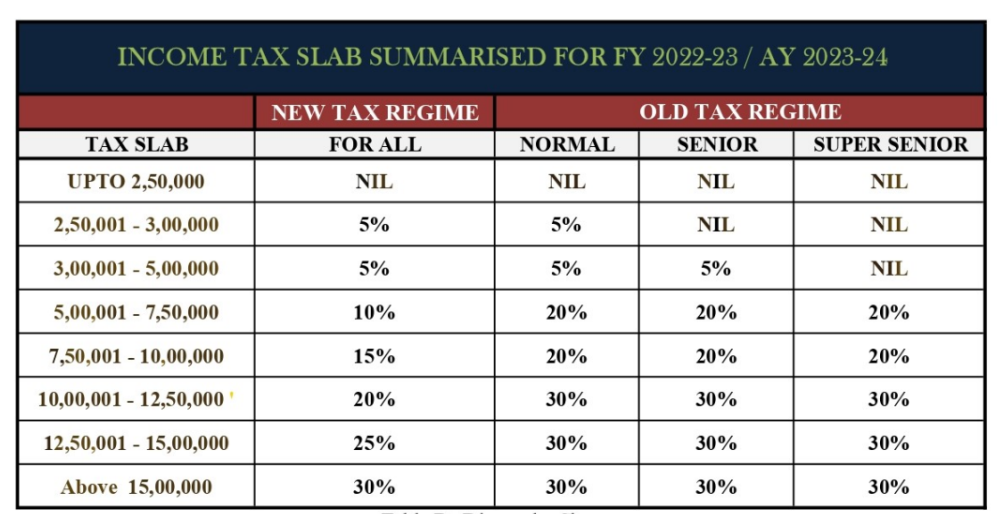
For Senior Citizens the basic exemption limit is fixed at Rs. 3 lakh & For Super Senior Citizen it is Rs. 5 lakh of annual total income.
Income Tax Slab

2. Exemption from Payment of Advance Tax

A senior citizen need not have to pay any advance tax, provided he does not have any income under the head "Profits and Gains of Business or Profession"

3. Higher Deduction limit for Medical Insurance Premium(80D)

The maximum limit for deduction u/s 80D in respect of payment made for health insurance premium in respect of a senior citizen has been allowed at Rs. 50,000 as against that allowed to other individuals at Rs. 25,000


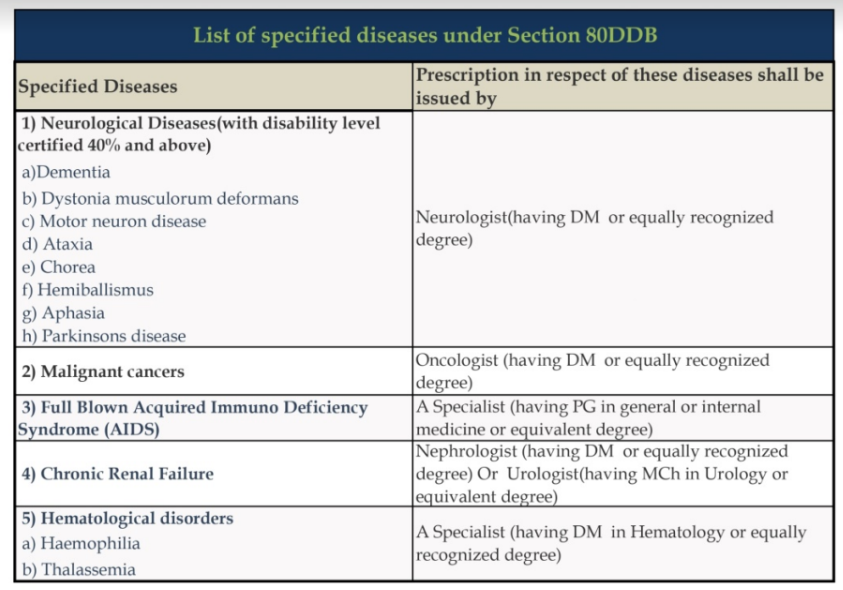
4. Higher Deduction Limit for Medical Treatment of a specified disease (80DDB)

The amount of deduction available in respect of expenses incurred for medical treatment of specified disease for a dependent senior citizen is Rs.1 lakh & for normal individual amount is Rs. 40,000.
List of specified diseases under Sec 80DDB

5. Higher Deduction limit for interest earned. (80TTA/80TTB)

A senior citizen can claim deduction upto Rs. 50,000 u/s 80TTB in respect of interest income earned on Savings bank accounts,any bank deposits or any deposit with post office or cooperative banks Whereas normal taxpayers are allowed maximum deduction of Rs. 10,000 u/s 80TTA in respect of interest income from saving bank accounts.


6. The conditions under which Certain specified senior citizens are not required to file ITR.(194P)

In case of senior citizens of the age of 75 years or above having only pension income and interest income only from the account(s) maintained with a bank In which they receive such pension, such senior citizen shall not be required to file their ITRs. The specified bank shall be responsible for computing their total income and deducting tax Thereon after giving effect to various deductions and rebate.

FAQ :

For senior citizens, the basic exemption limit is Rs. 3 lakh, and for super senior citizens, it is Rs. 5 lakh of annual total income.

Senior citizens do not have to pay advance tax, provided they do not have any income from 'Profits and Gains of Business or Profession'.

The maximum deduction limit under section 80D for health insurance premiums for a senior citizen is Rs. 50,000, compared to Rs. 25,000 for other individuals.

The deduction amount for expenses incurred on the medical treatment of a specified disease for a dependent senior citizen is Rs. 1 lakh.

Senior citizens can claim a deduction of up to Rs. 50,000 under section 80TTB on interest income from savings bank accounts, bank deposits, or cooperative bank deposits. Normal taxpayers have a limit of Rs. 10,000 under section 80TTA.

Senior citizens aged 75 years or above, with only pension income and interest income from their pension-receiving bank account, are not required to file their Income Tax Returns. The bank handles tax computation and deduction.


5737 Views 3 Likes Comment   Share Income Tax   Report


About the Author

l CA Finalist l Tax I Finance I Investment l Twitter Profile= https://twitter.com/Divs0401

Comments :

Related Articles


Loading


Popular Articles


CCI Pro

CCI Articles

submit article