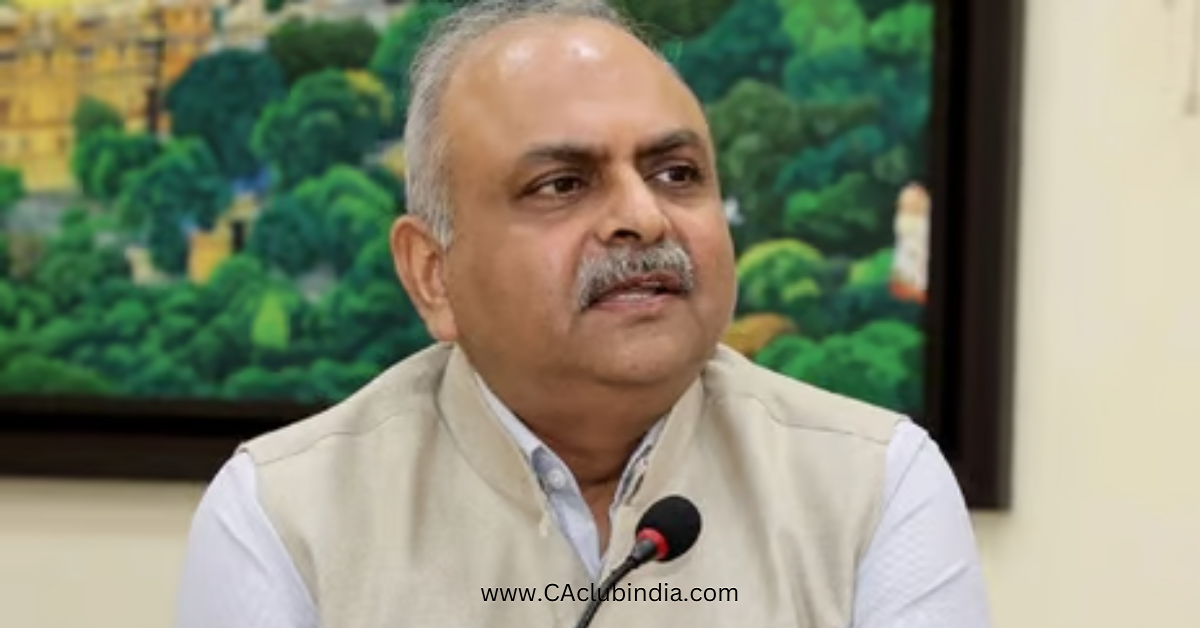
In a significant move reflecting the evolving landscape of India's tax administration, CBDT Chairman Ravi Agrawal announced a shift towards a more participative and non-adversarial approach. Speaking at a FICCI event on Monday, Agrawal emphasized that the Income Tax Department is now guided by the principle of 'Trust First', focusing on transparency, ease of compliance, and business-friendly reforms.
Paradigm Shift in Direct Tax Governance
"We have witnessed a paradigm shift in governance within the direct tax sphere. 'Trust first' is the theme guiding our actions," Agrawal stated. This transformation aligns with Finance Minister Nirmala Sitharaman's Budget announcement, where she introduced the new mantra for the tax department - "trust first, scrutinise later." The aim is to create a transparent, user-friendly tax environment that fosters trust and minimizes taxpayer anxiety.
Introduction of the PRUDENT Framework
Agrawal elaborated on the department's new PRUDENT framework, designed to ensure proactive, rule-based, and data-driven governance:
- P: Proactive Approach
- R: Rule-based Administration
- U: User-friendly Processes
- D: Data-driven Decision Making
- E: Enabling Business Environment
- N: Non-intrusive Tax Administration
- T: Technology and Transparency
"This new framework will transform how we engage with taxpayers, focusing on ease of compliance and minimizing unnecessary scrutiny," he added.
Reforms in TDS and TCS to Simplify Compliance
Highlighting recent reforms, Agrawal pointed out significant changes in Tax Deducted at Source (TDS) and Tax Collected at Source (TCS) regulations. The key reforms include:
- Optimizing thresholds to reduce compliance burdens
- Reducing the number of rates for simplification
- Decriminalizing certain tax offences
- Rationalizing specific features to enhance taxpayer convenience
"These steps are intended to simplify tax compliance, ensuring that businesses, especially start-ups and entities in International Financial Services Centres (IFSC), can operate with greater ease," Agrawal noted.
Engaging with Stakeholders for Inclusive Growth
In a call for collaboration, the CBDT chairman invited suggestions from stakeholders, assuring that all recommendations will be given equal attention.
"We are committed to delivering an Income Tax Act that is easy to comply with. By expanding provisions for start-ups and IFSC, we aim to foster innovation and economic growth," Agrawal concluded.
Key Takeaways:
- 'Trust First' Approach: Income Tax Department is shifting from adversarial tactics to a participative, trust-based model.
- PRUDENT Framework: Focus on proactive, rule-based, data-driven, and transparent tax administration.
- Simplified TDS/TCS: Rationalization of rates, optimized thresholds, and decriminalization of certain offences to ease compliance.
- Stakeholder Engagement: The department seeks active participation from businesses and professionals to refine tax policies.












 CAclubindia
