
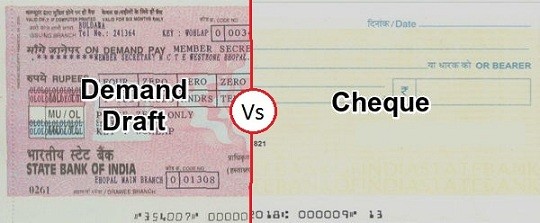
Normally if we need to transfer money from bank account of a person to bank account of another person or between bank accounts of same person, in initial days people used cheques and DD (Demand draft).
Later on with the advent of internet and CBS (Core Banking Solutions), came EFT - Electronic Fund Transfer. This EFT is of two types-

• NEFT (National Electronic Fund Transfer),
• RTGS (Real Time Gross Settlement).

Though these services, NEFT and RTGS made life easy, there were some caveats using them like:
• NEFT transfers/payments take time (they are processed in batches) and not available 24/7
• RTGS on other hand processes transfers/payments immediately (hence name Real Time), but not available 24/7
NEFT and RTGS services are controlled by Reserve Bank of India(maintains the protocols). These services are available only from 9 AM to 7 PM (varies) on weekdays and 9 AM to 1 PM (varies) on Saturdays. These are not available on holidays. Also there are limits on amounts that can be transferred.

Then came IMPS -Immediate Payment Service which is an instant electronic fund transfer service through mobile phones. It was also extended through other channels such as ATM, Internet Banking, etc.

Unlike NEFT and RTGS,IMPS works 24/7 and 365 days(even on holidays). This technology is developed and maintained by NPCI - National Payments Corporation of India.
IMPS enabled even offline transfers through SMS using Mobile Money Identification Number (MMID). MMID is as even digit unique number given by a bank to customer. But one thing in IMPS is we do not need several details like account number, name, IFSC code or MMID, mobile number, name to make transfers/payments.

So this is where UPI - Unified Payment Interface comes into play which is also developed by NPCI.
The difference between UPI and IMPS is that in UPI based transfers/payments we do not need so many details like in IMPS. We just need our virtual ID or Virtual Payment Address (VPA).
AVPA is nothing but a name (name@bank)which is linked to all the details like account number, name, IFSC code, mobile number etc. (as required like in IMPS). It is like instead of giving entire bank details, we just give our VPA, since we all know how difficult it is to maintain all details like account numbers, IFSC codes etc. and the security risks

So in a nutshell UPI is based on IMPS and it removes the need for all bank details and improves security.
Also UPI enabled transfers/payments through barcodes and USSDs.

You can get a VPA by linking all your bank details through any UPI app of any bank. Several banks have released UPI apps. You need not use UPI app of the bank in which you have the account.
And I am not going in detail about how to register and use those UPI apps since there are many easy tutorials about it.











 CAclubindia