
Quick Summary
AS 2 Valuation of Inventories
(Issued in June 1981, revised and made mandate for accounting periods commencing on or after April 1999)
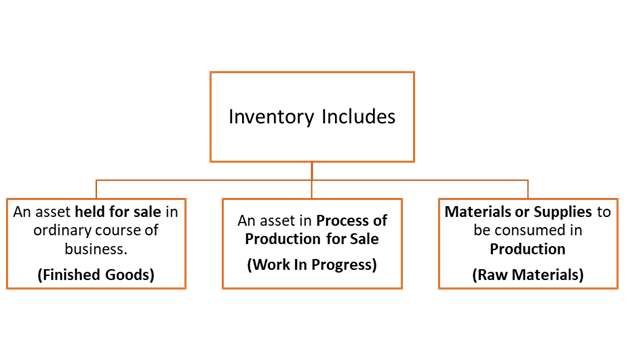
Definition of Inventory
As per Para 3 of AS 2 Inventory includes:

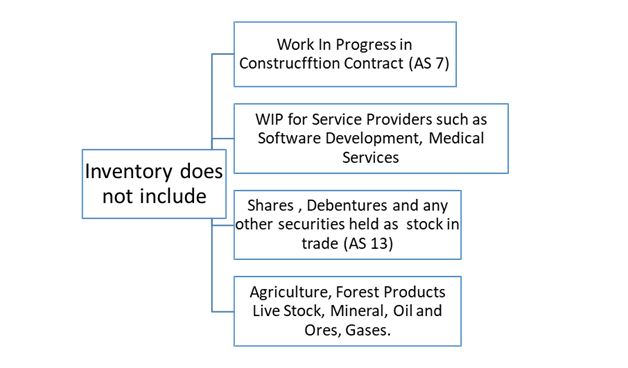
Inventory does not Include
As per Para 1 of AS 2 inventory does not include:
Measurement of Inventories
Inventories valued at lower of Cost or Net Realizable Value.
|
Item |
Measurement |
|
Raw Materials |
Lower of Actual Cost or Replacement cost |
|
WIP |
Lower of Actual Cost or Replacement cost |
|
Finished Goods |
Lower of Actual Cost or Net Realizable Value |
Formulae:
- Cost = Purchase Price +Conversion Cost +Other Cost
- NRV= Estimated Selling Price - Cost to sale
- Conversion Cost = any costs related directly to production. (Example: Labor) + Fixed overheads (allocated on the basis of normal capacity) + Variable Oheads (Allocated always on actual Capacity)
- Other Costs-= Any other costs which are included to bring the inventory to the present location. Example cost of design or customized unit + Interest and Borrowing Costs (only when the inventory takes substantial time or getting ready for the intended use.)
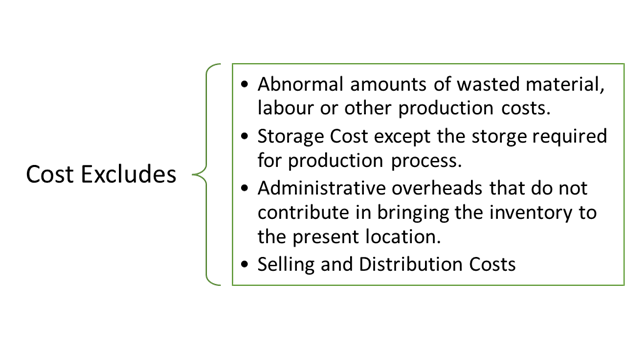
What is Excluded in the cost?
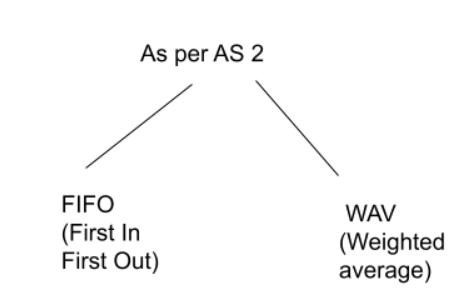
Methods of Valuation of Inventory
As per AS 2 Inventories are valued at
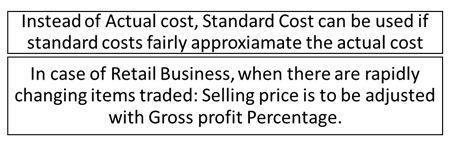
Other Methods
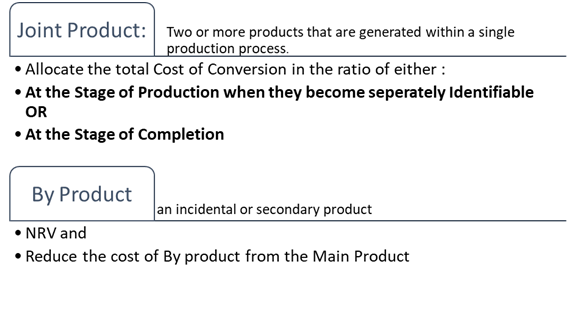
Allocation of Cost for Joint and By Product
Discounts to be considered in the valuation of the cost of Inventory
Two Types of Discounts:
- Trade Discount: Always reduced from the cost
- Cash Discount: Not reduced but considered in the Profit and loss Account
Disclosure (Para 26)
- Accounting policies adopted with respect to the measurement of inventories
- Cost Formulae
- Total carrying Amounts of inventories and its classification (like Raw material, WIP, Finished Goods, Stock in Trade, stores, spares, Loose tools)
Also Read: Revision for Accounting Standards - CA Intermediate (Part 1)











 CAclubindia
