The recently introduced Income Tax Bill, 2025, is making headlines, but not for the reasons taxpayers would hope. While the government claims the bill is meant to simplify India's tax laws, a controversial provision buried within the draft has raised concerns over digital privacy.

Expanded Powers for Tax Authorities
Finance Minister Nirmala Sitharaman tabled the new Income Tax Bill, 2025, in Parliament as an overhaul of the existing tax framework, replacing the six-decade-old Income Tax Act 1961. However, before it becomes law, a select committee will review the bill, and one provision is already drawing scrutiny: the power to conduct tax searches in virtual digital spaces.
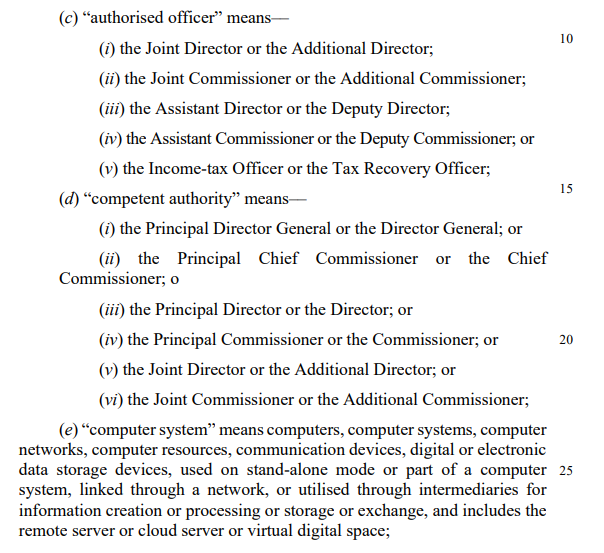
Currently, tax officers can request access to laptops, hard drives, and emails, but the lack of explicit legal backing often results in legal challenges. The new bill changes that-it gives tax authorities unrestricted access to digital records, allowing them to bypass passwords, override security settings, and unlock files if a taxpayer refuses to comply.
What Clause 247 Says
Under Clause 247 of the Income Tax Bill, 2025, designated income tax officers will have the authority to access:
- Emails
- Social media accounts
- Banking details
- Investment accounts
- Cloud servers and digital storage
If tax authorities suspect tax evasion or undisclosed assets, they can investigate digital financial records starting April 1, 2026.
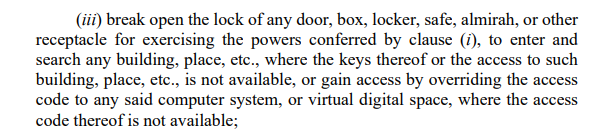
The bill explicitly states: "Tax officers can break open locks of any door, safe, locker, or any other receptacle, and override security settings or access codes of any computer system or virtual digital space where access is restricted."
What is "Virtual Digital Space"?
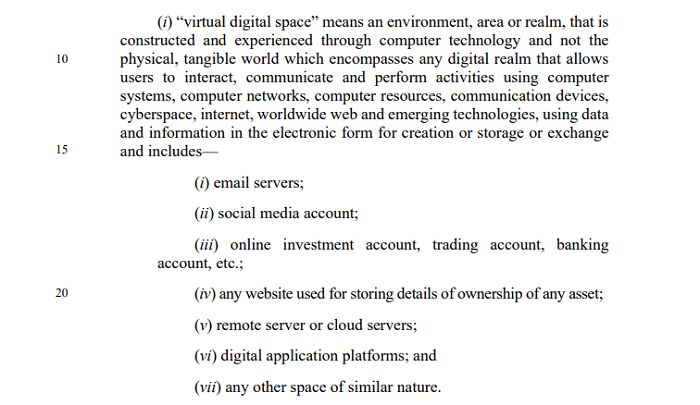
The bill defines virtual digital space as any platform where users store, process, or exchange digital data. This includes:
- Email servers
- Social media platforms
- Online trading accounts
- Banking and investment platforms
- Cloud storage and remote servers
Essentially, tax officers will have the power to scrutinize anything stored digitally, leaving taxpayers vulnerable to potential overreach.
Concerns Over Privacy and Digital Rights
The inclusion of digital assets in tax searches has raised concerns among legal experts, cybersecurity analysts, and taxpayers alike. Critics argue that bypassing security settings and gaining unrestricted access to online accounts could infringe on privacy rights and lead to potential misuse.
Additionally, the bill does not clearly outline checks and balances to prevent abuse of power by tax officers. Many are calling for greater transparency and safeguards to ensure that digital searches are conducted fairly and within legal boundaries.
What's Next?
As the bill awaits review by the select committee, stakeholders from various industries are expected to challenge the broad powers granted to tax officials. While tax compliance is essential, many believe that the right to digital privacy should not be compromised in the process.
With April 1, 2026, set as the implementation date, all eyes are on how the government fine-tunes the bill before it becomes law.












 CAclubindia