
If you are not ready for AI revolution, you won't be able to reap its benefits
The term "Artificial Intelligence" is no longer restricted to Tech Savvy person. Today many businesses are desperate to implement the new technology for business growth and to outsmart the competition. The usefulness of any new technology lies in the preparation to adopt the technology. The adoption of any new technology needs a strategic plan. When we discuss about any new technology, it encompasses hardware, software, systems, methods and standard procedures. Artificial intelligence can streamline operations and improve decision-making with advanced data analysis. To adopt the new technology, following preparations are needed to be taken into consideration:
1. Involvement of Top Management
In most of the organizations digital enthusiasts are the one who drives the digital adoption. To realize the full potential of Artificial Intelligence, top executives need to be involved at the first hand. They are the person who need to understand how AI can be adopted in the business model. The adoption of artificial intelligence has to be diligent process where the top management needs to spend some time with AI machines, interacting with them, testing them and questioning the user. Once this process has been done, it has to be considered as to how the AI can begin to be transformed effectively into the business plan, key decision points can be defined, and appropriate investment can be made.
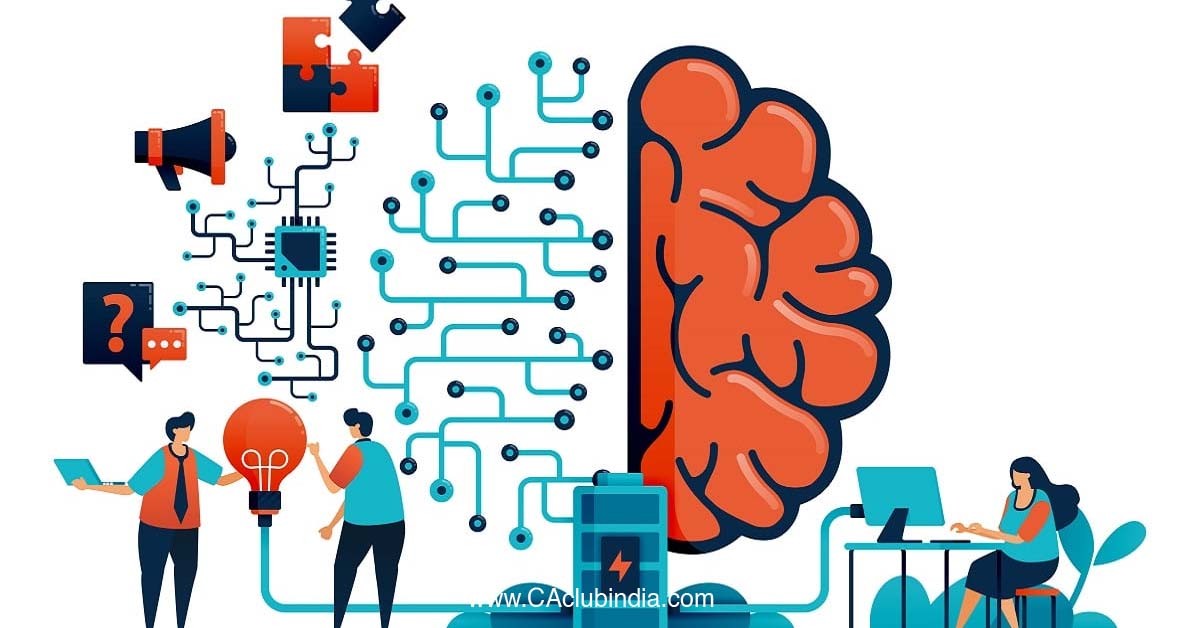
2. AI Skilled Human Resource
To fully achieve the potential of AI, the human resource department should gear up and try to make it skilled human resource. The human resource department (HR) will need to become Human AI Resources (HAIR). It is imperative for the HR department to understand the concept of virtual labour and actual labour and how the performance matrix has to be remodelled. It is also responded to the query that how to optimize workforce requirements between human and AI labours.
3. Learning along with machines
AI would need to analyse not only what they learn but the emphasis will be on how they learn. For example, MasterCard is using AI to make its employees better sales person. It has adopted AI that draws on the knowledge on the experienced staff to help the employees become better sellers. This method not only helps in bridging the gap with experienced staff, but also reduces the need of traditional training methods.
4. Creating AI culture
Creating the culture where the human and machine work together and compliment each other is prerequisite. Only then it will result in scope for collaborating and learning from each other. Although there may be temptation to blame each other for poor performances, steps should be taken to ensure that human should focus their efforts more on identifying weaknesses, whether of human or machine and work together to fix them.
5. Think beyond automation
The impact of AI is far more than just automation. It is important to the companies to recognize that by adopting AI, they are achieved more competitive advantages. Bosch, for example, has adopted a 'thinking factory' approach in one of its German automotive plants. The aim is to enable AI-powered machines to self-diagnose technical failures, order replacement parts autonomously and anticipate maintenance needs. Overall, Bosch predicts more than $2 billion of additional revenues and savings from the widespread use of intelligent systems and machines.
6. ROI from AI
It is important to understand that return on the investment of AI will not be instant. Unlike the traditional method of calculation of return on investment and tracking the same, AI will gain value as the time passes. Although it is possible that some AI can give clear results, the learning curve of AI means that many of its benefits will stem from yet-to-be determined sources.










 CAclubindia
