
Quick Summary
What is Internet of things (IoT)
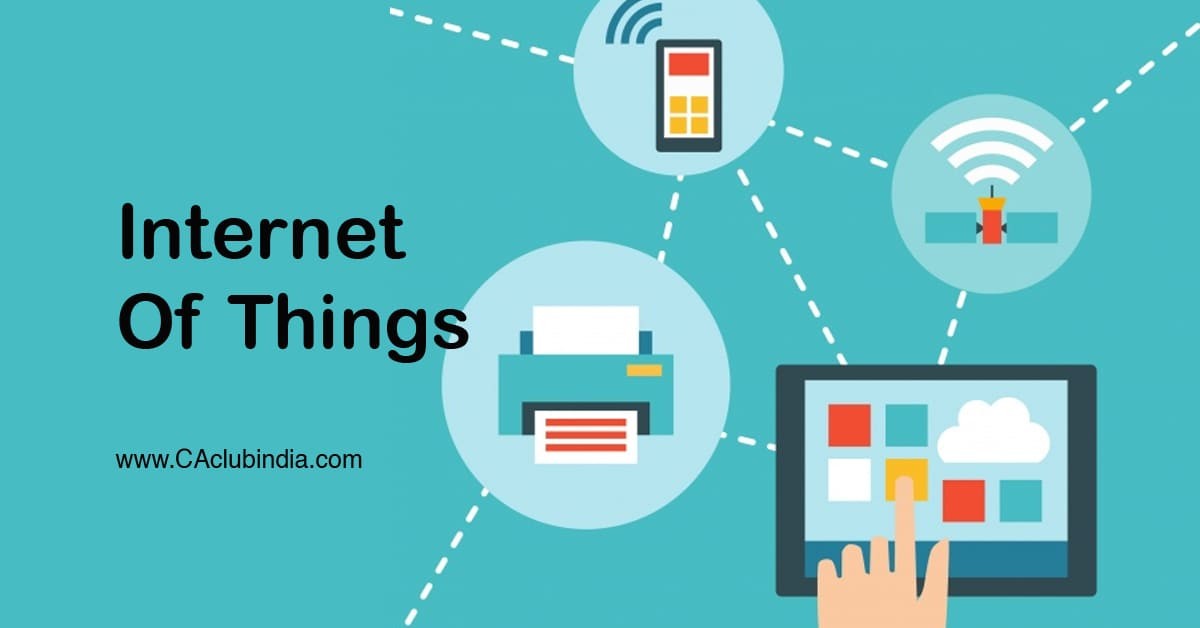
It is a network of physical objects. These things are embedded with sensors, software, and other technologies to connect and exchange data with other devices and systems over the internet. The relationship can be people-people, people-things, and things-things. Examples include mobiles, coffee maker, webcams, digital doorbells, etc.
How does it work?
- IoT devices contain sensors and mini-computer processors that act on the data collected by the sensors via machine learning. These sensors continuously emit data about the working state, environment, etc. of the devices. IoT provides a common platform for all these devices to dump their data and a common language for all the devices to communicate with each other.
- Data is sent from various sensors to the IoT platform. The IoT platform collects the data and performs analytics on it to extract valuable information.
- The result is shared with other devices to improve user experience and efficiency.
- Example: - The inventory data of a retailer is shared with the manufacturer on a real time basis. The production and logistics are automatically planned using IoT to ensure that the inventory reaches the retailer before it runs out from the shelves.
Key risks in IoT:
- Access to sensitive data - Poorly secured IoT devices can be hacked like any other internet-enabled device. The devices record and stream sensitive data. A compromised printer means that the attacker can view everything that is printed or scanned in the office.
- Privacy - The IoT platform collects a lot of personal information which is used for analytics. Webcams, printers, security cameras and digital doorbells are just some of the devices that can be hacked and reveal confidential information to the attackers.
- Sabotage - A hacked IoT device will allow the attacker to access its functions. Eg: The attacker may stop the assembly line of an automobile manufacturing unit until his demands are met thereby bringing the production to a standstill.
- Botnets - Cyber criminals may bring together a huge number of infected devices into networks called botnets which can be used for DDos (Distributed denial of services). In DDos attacks, the attacker sends a stream of requests to the targeted server, computer or network, thereby crashing them and bringing their services to halt
How do you maintain security in IoT
- Maintain strong passwords
- Ensure network security by using a strong firewall, anti-virus, etc.
- Update patches released by manufacturers regularly











 CAclubindia
