
For taxpayers, the Goods and Services Tax (GST) Composition Scheme is an easy-to-understand program. Small taxpayers have the option to pay GST at a fixed rate of turnover and do away with arduous GST requirements. Any taxpayer whose turnover is less than Rs. 1.5 crore* has the option to participate in this scheme.Using the GST search tool, you can figure out if a taxpayer selected a composition scheme or not. To find out whether a taxpayer is a regular taxpayer or has chosen to participate in the composition scheme, enter any GSTIN and check the "Taxpayer Type" column in the results.
Features of GST Composition Scheme
Due to the advantages it offers, the GST composition scheme is a better choice for the following:
- A dealer is obligated to pay tax based on the general GST rate while conducting the transaction under the mechanism for reverse charges.
- By the 18th of the month that follows the quarter, every proprietor of a company registered under the GST composition scheme is obligated to submit a single quarterly return.
- A business owner is required to fill out a form for each of their firms under the GST composition scheme if they are registered under a single PAN (Permanent Account Number). The business owners must choose to opt out of the system if they do not want to register all businesses under the GST composition scheme.
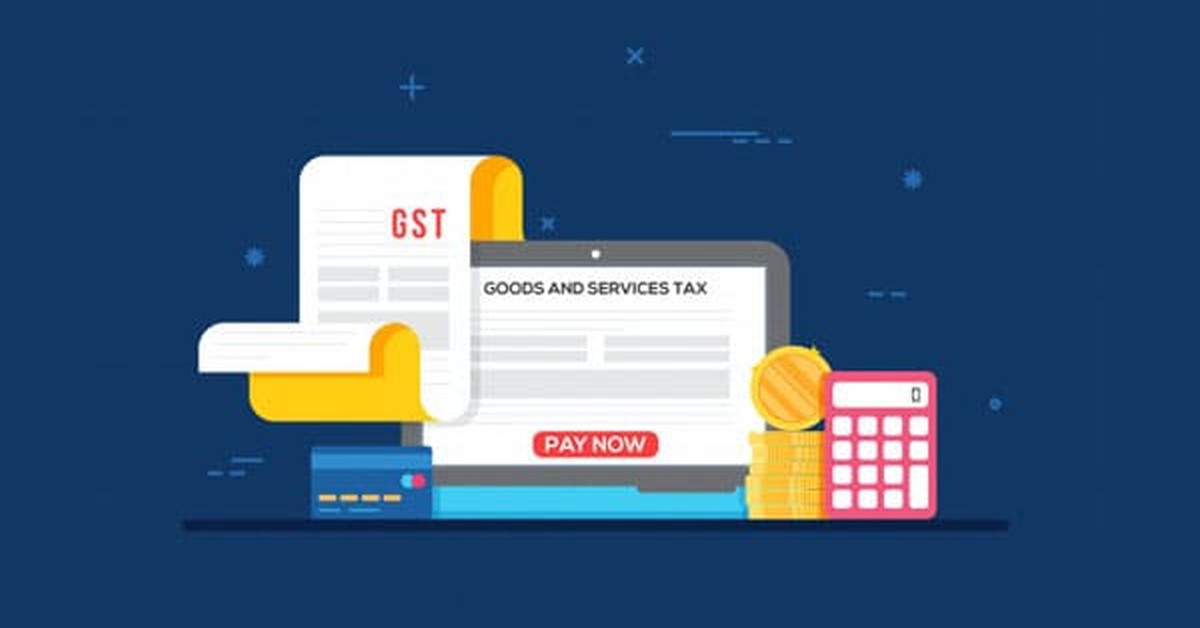
Who is eligible to use the Composition Scheme?
A taxpayer can opt for the Composition Scheme if their total yearly income is less than Rs 1.5 crore*. The present cap for Himachal Pradesh and the Northeastern states is Rs 75* lakh. A composition dealer is additionally allowed to provide services up to 10% of sales, or Rs. 5 lakhs, whichever is higher, under the CGST (Amendment) Act, 2018.
*The increase in the amount subject to the threshold from Rs 1.0 Crore to Rs 1.5 Crores was officially notified by CBIC.
Who cannot choose the composition scheme?
The following individuals are ineligible for inclusion in the program:
- Producer of tobacco, ice cream, and pan masala
- One who supplies goods across state lines
- A non-resident taxpayer or an irregular taxpayer
Rules for availing Composition Scheme
In order to select a composition scheme, the prerequisites that follow must be fulfilled:
- A company that produces goods or retailers is permitted to offer services up to 10% of sales, or Rs. 5 lakhs, whichever is more extensive, according to the CGST (Amendment) Act, 2018. This update was taken in effect from February 1st, 2019.
- The expression "composition taxable person" has to be included on every receipt of supplies which the taxpayer issues.
- It becomes the responsibility of the taxpayer to identify themselves as "composition taxable person" on any kind of advertisement or signboard that is made available to the public in their place of business.
- A taxable person is required to register all of their business entities under one PAN under the scheme collectively or decide to opt out if they operate numerous business sectors under the same PAN, such as food, textiles, and electrical peripherals.
- For transactions performed via the Reverse Charge Mechanism, the taxpayer is obligated to pay tax at conventional rates.
- The retailer is unable to hand over items like alcohol that are considered to be exempted from GST taxes.
- When a dealer adopts the composition scheme, they do not become eligible to claim any Input Tax Credit.
Advantages of Composition Scheme
The advantages of signing up under the composition scheme are outlined in the following order:
- Reduced degrees of compliance (invoices, bookkeeping duties, and returns)
- limited compulsion to pay revenue taxes
- A high level of liquidity due to reduced tax rates
Cons of opting the Composition Scheme
Now let's take a look at some disadvantages of signing up for the GST composition scheme:
- Alcohol and products procured through an online portal are a few instances of non-taxable goods which the taxpayer isn't permitted to offer under GST.
- Composition dealers are not suitable for an input tax credit.
- A confined commercial area. The dealer doesn't have the right to conduct transactions over boundaries between states.
GST Composition Scheme limit
The GST composition limit varies depending on the type of business:
For suppliers and sellers
In the current financial year, the turnover of your most recently registered business ought to be below ₹1.5 crores. If you have already registered, the previous financial year's turnover for your company cannot have surpassed ₹1.5 crores.
Dining establishments without alcohol service
Additionally, non-alcoholic beverages restaurants are only eligible to register under the GST composition scheme if they generate annual revenue over ₹1.5 crores.
Producers of products and services
A recently established business's yearly turnover for the current fiscal year must not surpass ₹50 lakh in order for it to become eligible for the GST composition scheme.











 CAclubindia
