Prime Minister Narendra Modi on Monday said that the upcoming generation of GST reforms will significantly reduce household expenses, helping families save nearly Rs 20,000 annually on spending of Rs 1 lakh towards essential needs.
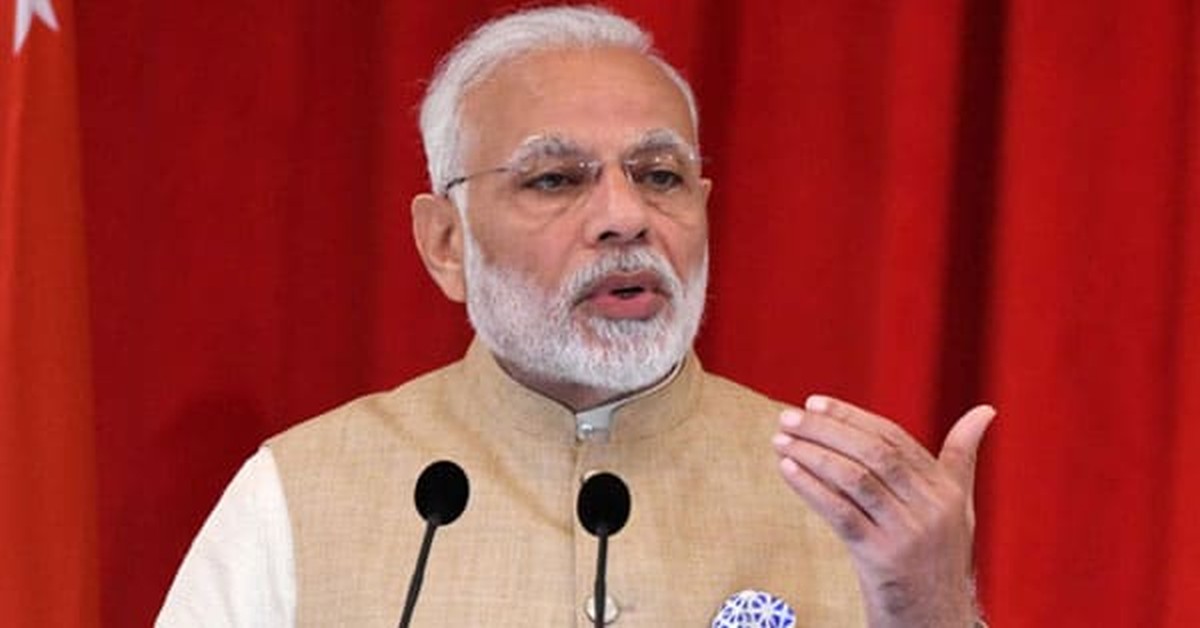
Addressing BJP workers after inaugurating the Delhi BJP office, Modi said the BJP-led NDA government has delivered a "new model of good governance" that prioritises service ('seva') over power ('satta'). He urged party cadres to spread awareness about the benefits of GST reforms so that ordinary citizens fully reap the gains.
Big Savings for Common Families
Modi highlighted how tax structures have changed since 2014.
- "Before 2014, a household spending Rs 1 lakh annually on daily needs had to pay nearly Rs 25,000 in taxes. After GST and the next-gen reforms, that amount has fallen to just Rs 5,000-6,000, giving a saving of around Rs 20,000," he said.
- He added that when both income tax and GST reforms are considered, citizens together save an estimated Rs 2.5 lakh crore every year.
From Tax Burden to Relief
The Prime Minister contrasted the current system with the Congress-led UPA era. "Back in 2014, tax was levied even on an income above Rs 2 lakh. Today, no tax is charged even on income up to Rs 12 lakh. Similarly, GST has lowered prices for the common household," Modi said.
'Seva, Not Satta' and Swadeshi Push
Reaffirming the BJP's commitment to service, Modi said party offices stand as symbols of public welfare, not political power. He also called for promoting Indian-made products, urging shopkeepers to proudly display boards reading "Garv se kaho ye Swadeshi hai."
Describing Delhi as a "mini India," Modi appealed to BJP workers to celebrate every festival that represents India's cultural diversity. He also recalled the party's journey from the days of the Jana Sangh to becoming one of the country's largest political forces.
A New Phase of Governance
Modi said the BJP-NDA's governance mantra of "vikas bhi, virasat bhi" (development with heritage) has ensured national security, curbed corruption, and empowered ordinary citizens with more savings and confidence in the economy.











 CAclubindia