Fresh GST Scrutiny on Dabur's Digestive Pill
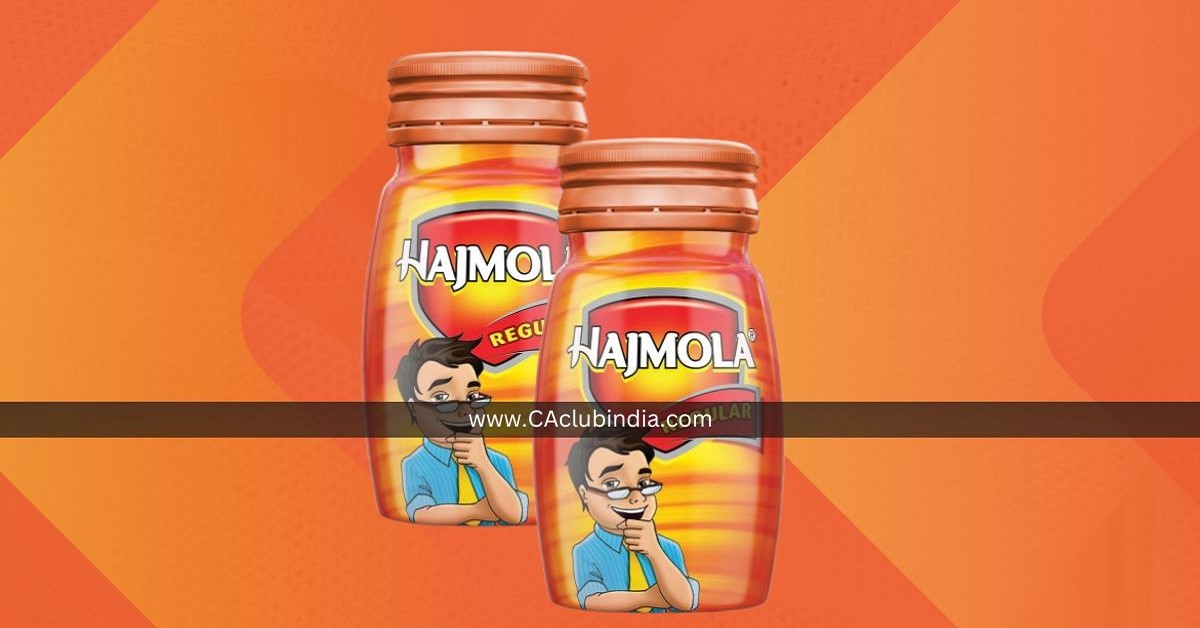
Dabur's iconic digestive product Hajmola is under the tax spotlight again, as the Directorate General of GST Intelligence (DGGI) questions its classification - whether it should be taxed like a candy or as an Ayurvedic product.
Tax Implication
- Candy classification: Attracts 18% GST
- Ayurvedic formulation: Attracts 12% GST
The classification significantly affects Dabur's tax liability.
Issued Show-Cause Notice
DGGI issued the notice after a detailed investigation. Dabur has already submitted its response but hasn't publicly commented on the recent development.
This Notice is not the First Time
This is not a new controversy. In 2002, the Supreme Court ruled Hajmola to be an Ayurvedic medicine under the pre-GST regime, supporting Dabur's stand.
Why It Matters?
This case could reopen broader questions about how traditional health products are classified and taxed under GST.
The outcome could reshape the tax landscape for many Ayurvedic and wellness products.












 CAclubindia