In a significant announcement on February 22, 2024, Finance Minister Nirmala Sitharaman revealed that the Indian government's robust tax revenue has paved the way for substantial increases in capital expenditure and sustained investment in infrastructure development projects. Speaking at the inauguration of a new Income Tax office building in Gorakhpur, Sitharaman highlighted a remarkable 16.77% surge in gross direct tax collections from April to January compared to the previous fiscal year. She expressed optimism that this figure would further escalate in the remaining two months of the fiscal year, stating, "With two months left, the final numbers will be much higher than that."
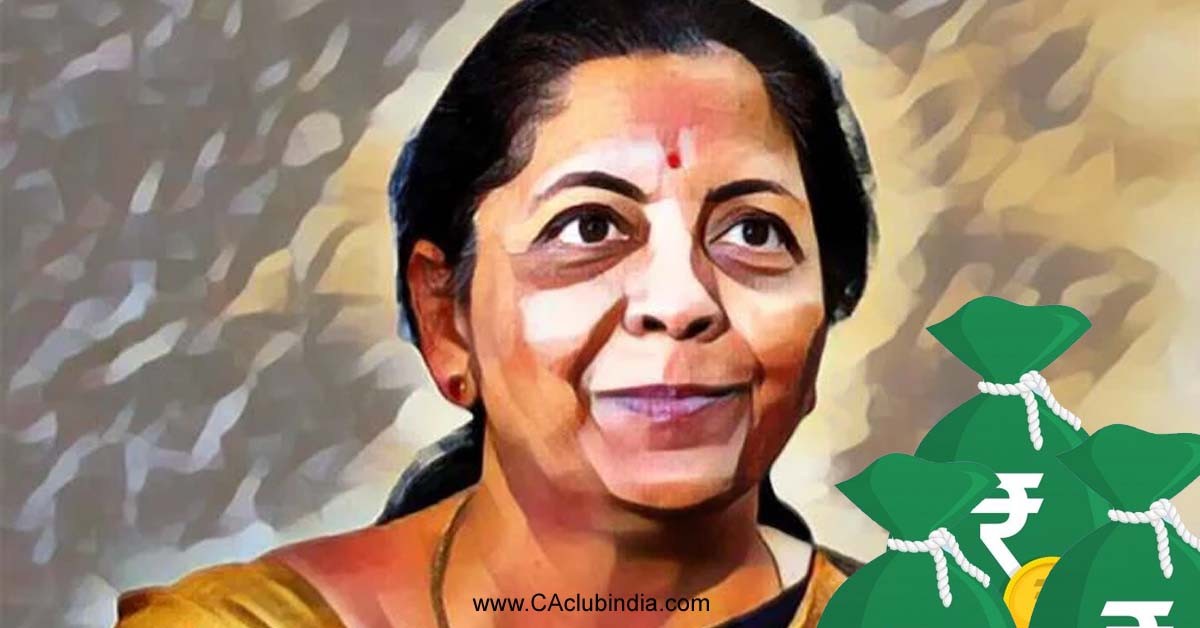
Sitharaman attributed this fiscal buoyancy to the government's proactive approach in boosting development spending. Notably, she unveiled a staggering 433% increase in capital expenditure to ₹11.11 lakh crore for the fiscal year 2024-25. Additionally, Sitharaman pointed out that tax refunds amounting to ₹2.48 lakh crore were disbursed between April 2023 and January 2024, underscoring the government's commitment to expedited tax assessments.
The Finance Minister celebrated a milestone achievement of processing over 1.66 crore income tax returns in a single day for the 2023-24 fiscal year. She commended the efficacy of the faceless assessment system in enhancing transparency and reducing complaints by 60%. Sitharaman emphasized the pivotal role of technological advancements in augmenting tax collections while concurrently improving taxpayer services.
Furthermore, Sitharaman highlighted key provisions from the interim budget for the fiscal year, including the withdrawal of outstanding tax demands for small taxpayers. Tax liabilities up to ₹10,000 (for the years 2010-15) and up to ₹25,000 (for the period up to the financial year 2009-10) were waived, benefiting approximately one crore taxpayers. Sitharaman underscored the efficient utilization of taxpayer funds in infrastructure development, citing Prime Minister Narendra Modi's initiatives such as the revival of a fertilizer factory and the completion of the Saryu River project. These endeavors have directly impacted 19 lakh farmers in 6,200 villages across seven districts in Uttar Pradesh.
Concluding her address, Sitharaman emphasized the country's current phase, termed 'kartavya kaal' (the era of responsibility), urging all stakeholders to contribute actively towards the collective vision of building a 'Viksit Bharat' (developed India) by 2047. This ambitious goal underscores the government's unwavering commitment to fostering inclusive growth and sustainable development across the nation.










 CAclubindia