Union Finance Minister Nirmala Sitharaman has written to finance ministers of all states, expressing her gratitude for their cooperation and active participation in implementing the historic overhaul of the Goods and Services Tax (GST) regime.
In an interview, FM Sitharaman revealed that despite intense discussions and concerns over revenue loss, states ultimately endorsed the GST Council's decision to simplify the tax structure, describing it as a move that would directly benefit the common man.
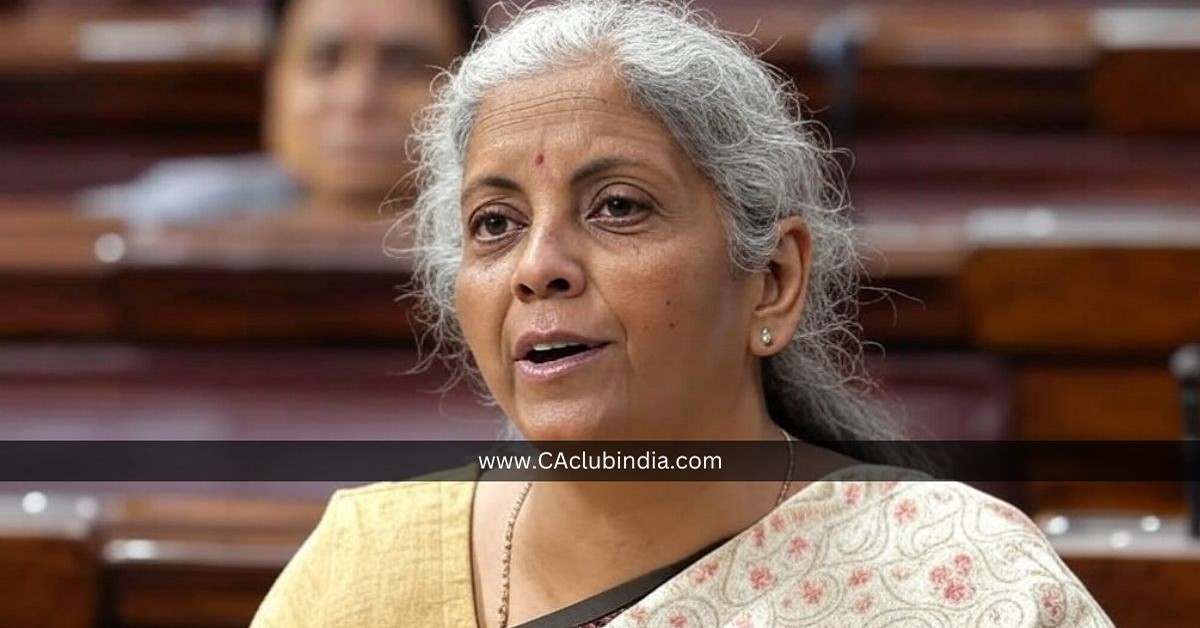
The GST Council, chaired by Sitharaman and comprising representatives from all states and Union Territories, met on September 3, 2025, and unanimously approved the proposal to restructure GST into a two-slab system - 5% for essential goods and 18% for all others. The revised rates, which take effect from September 22, 2025, will reduce the burden on a wide range of products, including butter, chocolates, shampoos, tractors, and air conditioners.
"Yesterday, I wrote a letter to each finance minister thanking them, saying, you can have any number of intense discussions and arguments, but finally, the Council rose to the occasion and gave relief to the people of India," Sitharaman said. She termed the council's work as "remarkable," noting that a consensus was reached on the very first day of the marathon meeting.
While states raised concerns over possible revenue shortfalls from removing the 12% and 28% tax slabs, Sitharaman reassured them that higher consumption resulting from lower rates would compensate for the losses. "It's not just the states. It's even the Centre that is going to be affected by the reduction. But once rates come down, demand will rise, and that will balance the impact," she explained.
The Finance Minister praised the inclusive nature of the council discussions, where every point raised was carefully addressed and additional inputs were welcomed. She credited the states' constructive participation for making the reform a reality and reaffirmed the government's commitment to monitoring the impact closely.
The GST 3.0 reform, as many have called it, is being counted among the biggest tax changes since GST's launch in 2017, with the potential to boost consumer spending while simplifying India's indirect tax system.












 CAclubindia