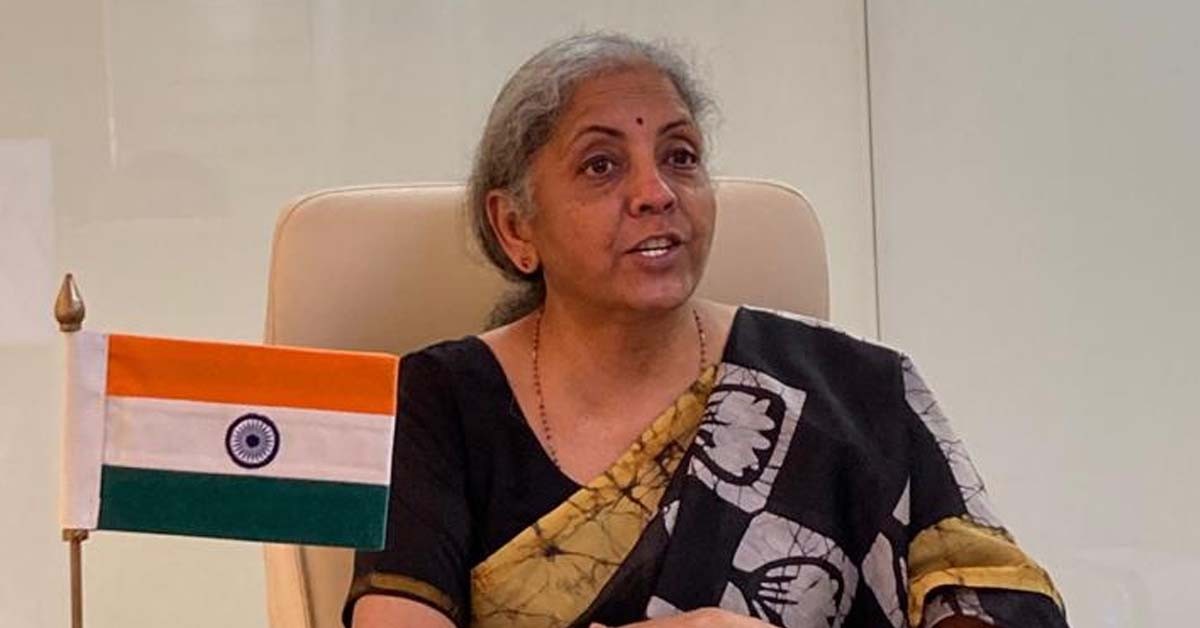
With Budget 2025 on the horizon, Finance Minister Nirmala Sitharaman has addressed criticisms over taxation policies, offering a robust defense of her government's initiatives while acknowledging the challenges faced by the middle class. She emphasized her commitment to simplifying taxes and ensuring fairness across the board.
Simplifying Taxation Through Reforms
Sitharaman highlighted the introduction of the new tax regime, which offers lower rates and eliminates many exemptions to streamline the process. "Many said they didn't want exemptions, so we brought in a system with simplified taxation," she said, reiterating the government's effort to make the system more accessible and transparent.
Reports suggest that the upcoming budget may include reductions in income tax rates for individuals earning up to ₹15 lakh annually, potentially benefiting millions of taxpayers amid rising inflation and slowing economic growth.
Clarifying GST's Role in Taxation
The Finance Minister strongly defended the Goods and Services Tax (GST), debunking claims that it introduced taxes on essentials. "With due respect, GST didn't bring taxes on essentials. Under the earlier regime, states imposed VAT and excise on these items," she explained.
Sitharaman stressed that GST has unified and reduced tax rates on daily-use items, enhancing uniformity across the country. "Before GST, buying a car was cheaper in some states and costlier in others. The GST Council was formed to ensure uniformity, with ministers spending significant time understanding and representing people's concerns," she added.
Acknowledging Middle-Class Concerns
Amid mounting calls for tax relief, Sitharaman drew on her personal experiences to connect with middle-class taxpayers. "Even I come from a middle-class family that lived on salaries. Do you think I don't understand these things?" she said, reaffirming her commitment to addressing their concerns.
Balancing Growth and Fairness
India's economic growth slowed to 5.4% in the July-September quarter, marking its weakest pace in nearly two years. Inflation has eroded disposable incomes, intensifying demands for fiscal measures to support urban households. Sitharaman acknowledged these challenges, stating, "I wish to do more, but there are limitations."
The government's tax reforms, including the GST and the new tax regime, aim to strike a balance between economic growth and equitable taxation. Sitharaman urged critics to recognize these efforts and give credit where it is due.
Looking Ahead to Budget 2025
As the government prepares its budget, expectations are high for policies that ease the financial burden on the middle class while fostering sustainable economic growth. Sitharaman's remarks offer a glimpse into her approach, combining empathy with data-driven decision-making to navigate India’s complex fiscal landscape.
Her statements underline the government’s resolve to simplify taxation, dispel misconceptions, and build a system that benefits all citizens, particularly those feeling the economic pinch.












 CAclubindia