India's growing participation in global trade, cross-border investments and international business is creating new opportunities for the Chartered Accountancy profession. Emphasising the need for a transparent, competitive and predictable taxation framework, ICAI President CA. Prasanna Kumar has highlighted the importance of international tax cooperation, technological advancement, GST reforms and continuous professional development in strengthening India's position in the global economy.
In his communication to professional colleagues, the ICAI President underlined that the rapid evolution of technology and increasing interconnectedness of economies have fundamentally transformed the way businesses operate across geographical boundaries. As Indian enterprises expand internationally and global businesses increasingly engage with India, the country's tax ecosystem must evolve to balance revenue protection with ease of compliance, investment certainty and sustainable economic growth.

He also stressed that Chartered Accountants must move beyond the traditional interpretation of tax laws and develop into strategic advisers equipped with technical knowledge, technological proficiency and commercial understanding to help Indian businesses navigate international markets.
Official copy of the address made by ICAI President is as follows
Dear Professional Colleagues,
We are living in an era that continues to expand the horizons of human intellect, innovation and technological advancement. Over the past few decades, the evolution of technology has become a powerful enabler for transcending geographical boundaries and unshackling physical barriers, and thus augmenting global connectivity, transforming the way businesses operate, economies interact and opportunities that unfold across nations that were hitherto seemingly unfathomable.
What once was constrained by distance is now empowered by digital connectivity, entrepreneurial ambition and the growing interdependence of economies. This remarkable transformation reflects not merely the progress of technology but also the emergence of a global ecosystem in which collaboration, innovation and collective prosperity are increasingly intertwined.
The interconnectedness of global economies necessitates a strong and adaptive tax ecosystem—one that safeguards the legitimate interests of nations while fostering trust, encouraging investment and enabling sustainable growth. As businesses expand their geographical footprint and value chains transcend national boundaries, countries are continually refining their taxation frameworks to protect their revenue bases and remain competitive in the global marketplace.
India, recognised as a global hub for outsourcing and professional services, is harnessing its vast human capital, technical expertise and entrepreneurial capabilities to build an ecosystem that enables businesses across the world to operate seamlessly. The evolving landscape of international taxation presents an opportunity for the nation to strengthen its domestic tax framework while facilitating its expanding participation in cross-border trade, investment and enterprise.
The forward-looking approach of the country reflects a conscious endeavour to balance the protection of its legitimate revenue interests with the need to provide certainty and ease of compliance to taxpayers operating across jurisdictions. Looking at these developments through the lens of our profession, we recognise that a strong international tax framework is essential to sustain confidence in India’s growing cross-border engagements. Through Double Taxation Avoidance Agreements (DTAAs), India seeks to mitigate the burden of double taxation and provide greater clarity on the allocation of taxing rights between jurisdictions. Its transfer pricing regulations, founded on the arm’s length principle, seek to ensure that international transactions between associated enterprises are conducted on terms consistent with those between independent parties. Provisions governing the taxation of non-residents, together with mechanisms such as Advance Pricing Agreements (APAs) and the Mutual Agreement Procedure (MAP), further contribute to addressing interpretational challenges, preventing disputes and providing greater certainty to taxpayers. India’s participation in the exchange of tax information and international cooperation initiatives also reflects the growing importance of transparency, accountability and collaboration in tax administration. Furthermore, the commencement of the Income-tax Act, 2025, from 1 April 2026, marks an important milestone in the evolution of India’s direct tax legislation, with transitional provisions continuing to govern earlier tax years where applicable.
The way forward for India lies in building an international tax framework that is as fair and competitive as it is transparent and predictable. While safeguarding the country’s legitimate revenue interests remains paramount, we must equally strive to create an environment where businesses can invest, innovate and expand across borders with confidence. Greater emphasis on mechanisms such as Advance Pricing Agreements, the Mutual Agreement Procedure and safe harbour provisions can help minimise prolonged disputes and provide much-needed certainty to taxpayers. Equally important is India’s active participation in shaping international tax discourse, ensuring that the perspectives and developmental priorities of emerging economies receive due consideration.
I truly believe that the amalgamation of technology and taxation shall continue to give a fruitful result. As technology continues to transform tax administration, the adoption of data analytics, automation and digital solutions can further strengthen transparency, improve compliance and make the system more responsive to the needs of taxpayers.
As global supply chains deepen and cross-border trade continues to expand, the future of international trade in goods and services must be guided by mutual trust, respect for national interests and a shared commitment to equitable growth. India has an important opportunity to contribute to this evolving global order by building bridges between economies and championing a trading environment where cooperation takes precedence over confrontation and prosperity is shared by all.
My friends, the times we live in call upon us to continually upgrade our knowledge, broaden our perspectives and adapt to an ever-evolving professional landscape. I strongly echo Robert Greene’s thought that “the future belongs to those who learn more skills and combine them in creative ways.” We must extend our role far beyond interpreting tax laws. We must evolve into trusted strategic advisers who combine technical expertise, technological proficiency and commercial understanding to help Indian enterprises navigate cross-border complexities, make informed decisions and pursue global opportunities responsibly.
As India strengthens its position in global trade and enables homegrown products and services to reach international markets, Chartered Accountants have an important role to play in turning entrepreneurial aspirations into global success stories. With our professional expertise supporting the Government’s vision of a globally competitive and self-reliant India, we can empower Indian entrepreneurs to explore new markets, expand their global footprint and establish a lasting presence on the world stage.
The Institute stands steadfastly alongside its members, empowering them through continuous learning and upskilling to become catalysts of change, while extending its support to enterprises and the Government in advancing India’s global economic aspirations. ICAI is committed to strengthening the professional capabilities of its members and preparing them to meet the evolving demands of global commerce. Through specialised programmes such as the Post Qualification Diploma in International Taxation, certificate courses on foreign tax regimes, and comprehensive technical publications, ICAI is equipping Chartered Accountants with the knowledge and practical insights required to navigate cross-border taxation in the global economy.
Let us look at the developments of the Institute that have happened since our last communication:
ICAI welcomes Recommendations of the 57th GST Council Meeting
The recommendations of the 57 th GST Council Meeting held on 8 th October 2026 mark an important step towards simplifying India’s GST framework and addressing practical challenges faced by taxpayers and businesses. The proposed reforms in registration, return filing, refunds and dispute resolution, along with the rationalisation of penalties, enhancement of monetary thresholds for prosecution and proposed removal of arrest provisions for GST-related offences, reflect a broader commitment to ease of doing business and ease of living. These measures, together with initiatives to streamline compliance and improve procedural efficiency, are expected to foster a more transparent and taxpayer-friendly GST administration.
ICAI has consistently contributed to the evolution of the GST framework through research-based technical inputs and constructive policy suggestions by its GST & Indirect Taxes Committee. The acceptance of various suggestions made by the Committee, including those relating to the refund of accumulated input tax credit on input services and capital goods under the inverted duty structure and automation of GST registration and refund processes, reflects the value of sustained professional engagement in addressing practical implementation challenges. ICAI further remains committed to working constructively with the Government and other stakeholders by providing objective, technically sound and forward-looking recommendations towards a simpler, more efficient and robust GST regime.
Notification of the Multi-State Co-operative Societies (Auditor’s Report) Order, 2026 (MSCARO, 2026)
India’s cooperative sector comprises over 8.5 lakh registered societies, reflecting its significant contribution to inclusive economic development. ICAI continues to undertake initiatives to strengthen the cooperative and not-for-profit sectors in alignment with the Government of India’s vision of ‘Sahkar se Samriddhi’ and seek to enhance institutional capacity, promote good governance and strengthen professional practices across these sectors through its Committee on Cooperation and NPOs.
ICAI’s contribution through the review of the draft order and submission of a comprehensive audit checklist to the Ministry reflects ICAI’s commitment to strengthen the statutory audit and reporting framework in the cooperative sector. MSCARO is expected to promote standardised audit reporting, enable early identification of financial and governance risks, strengthen regulatory oversight and safeguard the interests of cooperative members.
Within this broad ecosystem, MSCARO, 2026, marks an important step towards strengthening audit quality, financial transparency and governance in multi-state cooperative societies, while creating opportunities for Chartered Accountants to contribute their professional expertise to the sector’s growth and accountability.
Strengthening Digital Assurance and AI Readiness
In an increasingly digital economy, Information Systems Audit and Artificial Intelligence are becoming essential to strengthening trust, transparency, cybersecurity and institutional accountability. Recognising this transformation, ICAI continues to equip professionals and institutional stakeholders with competencies required to embrace digital innovation and address emerging technological risks.
In a significant step in this direction, the Digital Accounting and Assurance Board, ICAI, commenced the first batch of the Certified Advanced Information Systems Audit (CAISA) Programme under the DISA 4.0 curriculum for 35 senior officials of the Comptroller and Auditor General of India (C&AG) at the ICAI Centre of Excellence, Hyderabad. The programme reflects ICAI’s commitment to stakeholder engagement and capacity building, strengthening professional competencies in digital assurance, IT controls, cybersecurity and technology-enabled audit to meet the evolving needs of a technology-driven audit ecosystem.
Advancing AI Readiness in Quasi-judicial and Administrative Institutions
Artificial Intelligence is opening new possibilities for improving efficiency, streamlining processes and supporting informed decision-making across institutions. The true value of Artificial Intelligence lies in how effectively it can serve people, strengthen institutions and improve the delivery of public services.
In this context, ICAI organised a two-day AI Training Programme for Members of the Income Tax Appellate Tribunal (ITAT) on 26-27 September 2026 at ICAI Centre of Excellence, Hyderabad. The programme was inaugurated in the august presence of Shri Arjun Ram Meghwal, Hon’ble Minister of State for Law and Justice (Independent Charge); Mr. Justice Chandrakant Vasant Bhadang, President, ITAT, CA. Charanjot Singh Nanda, Chairman, AI Committee and Immediate Past President, ICAI; and members from the Central Council.
With sessions on AI applications, prompt engineering and emerging use cases, the programme explored the relevance of these tools to quasi-judicial and administrative work. This engagement reflects ICAI profession’s wider responsibility to contribute its knowledge and expertise to nation building, beyond the traditional boundaries of accountancy.
For a country with a growing need for accessible, efficient and responsive public institutions, such initiatives will help stakeholders understand where technology can make a meaningful difference.
Strengthening Audit of Externally Aided Projects through International Collaboration
ICAI continues to strengthen its engagement with international development institutions to promote robust financial oversight and accountability in externally aided projects. The visit of Ms. Maria João Kaizeler, Director, Financial Management Division, Asian Development Bank, along with her team, to ICAI provided an opportunity to explore avenues for strengthening the audit of Externally Aided Projects in India. The institutional collaboration can help enhance audit quality, reinforce transparency in the utilisation of development funds, and promote sound financial management practices, further strengthening the role of Chartered Accountants in supporting effective development outcomes.
Memorandum of Understanding (MoU) signed with MP Laghu Udyog Nigam Limited (MPLUN)
ICAI signed an MoU with Madhya Pradesh Laghu Udyog Nigam Limited (MPLUN) during the MP MSME Capital Connect Conclave held in Indore to strengthen support for MSMEs in Madhya Pradesh. The collaboration will leverage ICAI’s professional expertise to facilitate financial literacy, capacity building, access to finance and advisory support, enabling MSMEs to improve their financial management and business performance.
With such institutional collaboration, ICAI remains committed to nurturing strategic partnerships that empower MSMEs to become more competitive, resilient and integral to India’s journey towards Viksit Bharat 2047.
ICAI International Conference Africa 2026
Africa represents a promising avenue for international professional engagement, offering opportunities in advisory, regulatory compliance, financial management and cross-border transactions. ICAI stands committed to expanding the global footprint of the profession and nurturing mutually beneficial economic partnerships.
In said direction, the first ICAI International Conference Africa 2026, held in Dar-es-Salaam, Tanzania, on 18 th October, 2026, marked a significant milestone in expanding professional engagement between India and Africa. The conference on the theme “Unlocking Trade, Investment and Professional Opportunities” brought together over 180 delegates, including professionals, business leaders and regulators. Conference deliberations explored opportunities across key sectors such as agriculture, mining, healthcare, infrastructure and hospitality, alongside cross-border taxation, transfer pricing and financial services. The participation of Indian and Tanzanian professionals and diplomatic representatives underscored the importance of institutional collaboration in facilitating trade, investment and knowledge exchange.
Conclusion
In an interconnected world, where capital transcends jurisdictions and business models continually evolve, international taxation is no longer merely about determining where income is taxed; it is about fostering a fair, transparent and predictable global economic order. As Chartered Accountants, we have the privilege and responsibility to bridge jurisdictions, build trust and enable Indian enterprises to compete competitively on the world stage.
With India advancing towards becoming a leading force in the global economy, an extraordinary horizon of opportunity opens before every individual and enterprise that dares to dream beyond borders. As geographical boundaries become less restrictive and international trade continues to flourish, we must equip ourselves to embrace these opportunities with knowledge, confidence and integrity. As said, “The true measure of progress lies not merely in crossing borders, but in creating opportunities that transcend them.”
Let us move forward with conviction, embrace innovation and uphold the highest standards of professional excellence through righteous application of our compendious knowledge. Together, let us build a globally respected profession, empower Indian enterprises and contribute to a stronger, more prosperous and future-ready India.
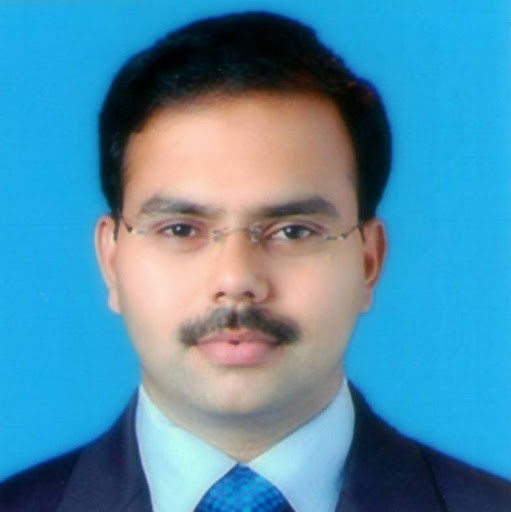
CA. Prasanna Kumar D
President, ICAI











 CAclubindia