In a landmark move to strengthen India's dairy sector, the 56th GST Council, in its meeting held on 3rd September 2025 approved sweeping tax rationalizations on milk and milk products. These reforms mark one of the most comprehensive overhauls of GST rates in the sector, ensuring that most dairy products are now either exempt from tax or attract only a 5% rate.
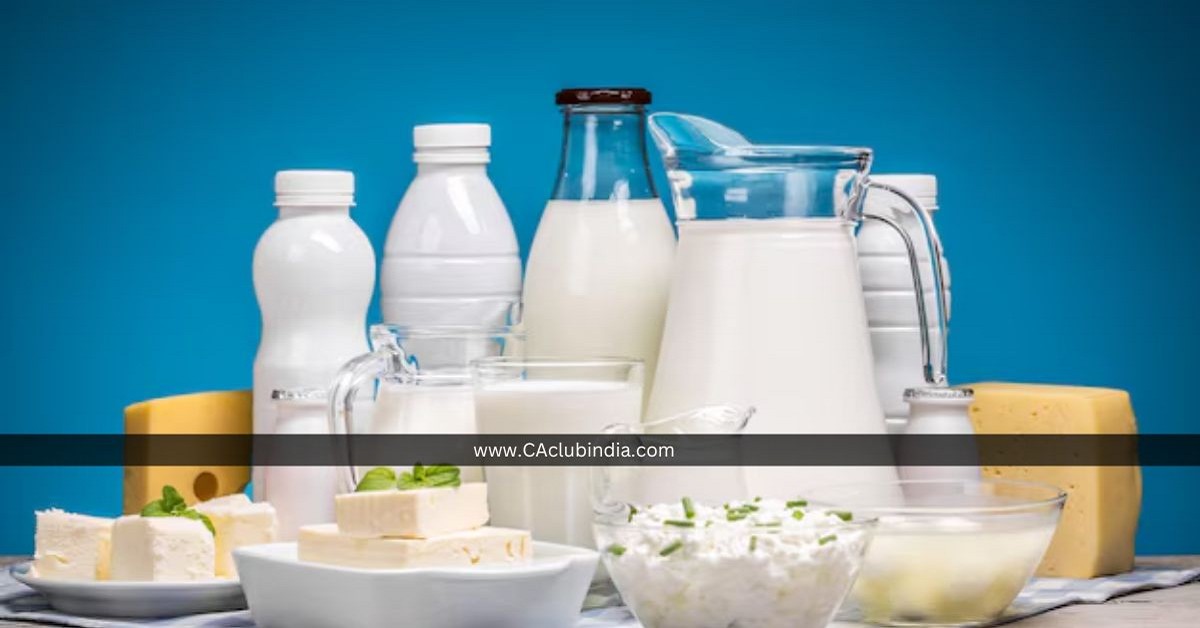
Under the revised structure, effective from September 22, 2025, the following dairy items now enjoy lower or zero tax rates:
- Ultra‑High Temperature (UHT) milk - GST reduced from 5% to Nil
- Paneer / Chhena (Pre-packaged and labelled) - GST reduced from 5% to Nil
- Butter, ghee, and dairy spreads - GST reduced from 12% to 5%
- Cheese - GST reduced from 12% to 5%
- Condensed milk - GST reduced from 12% to 5%
- Beverages containing milk GST reduced from 12% to 5%
- Ice cream - GST reduced from 18% to 5%
- Milk cans - GST reduced from 12% to 5%
This significant tax rationalization is expected to boost the dairy sector and extend benefits to both farmers and consumers, contributing to the overall socio-economic development in the country. The reform will directly benefit over 8 crore rural farmer families, particularly small, marginal and landless labourers engaged in rearing milch animals for their livelihoods, while also supporting a large segment of consumers. Lower taxation will help reduce operational costs, curb adulteration, and enhance the competitiveness of the Indian dairy products in both domestic and export markets.
India is the world's largest milk producer, with an output of 239 million tonnes in 2023-24, accounting for about 24% of global milk production. The dairy industry is not only a cornerstone of the agricultural economy but also plays a vital role in ensuring food security, enhancing rural livelihoods, and generating employment for millions. As the single largest agricultural commodity, dairy contributes 5.5% to the national economy. Milk and milk products make up the largest share of value in the livestock sub-sector, with the value of milk output reaching ₹12.21 lakh crores at current prices in 2023-24. The overall market size of the Indian dairy sector is estimated at ₹18.98 lakh crores in 2024. These recent GST reforms will give a major boost in further enhancing productivity and competitiveness of the sector while ensuring sustainable livelihoods.










 CAclubindia